


Feather Flags Guide UK 2025: Essential Buying and Display Tips for Businesses
Feather flags have transformed from simple advertising tools into powerful marketing assets that deliver real results for businesses across the UK. These tall, eye-catching displays now serve a vital role in outdoor promotions, from retail locations to major events. Understanding how to select, design, and deploy these flags effectively can make a significant difference in brand visibility and customer engagement.
The UK market for feather flags has grown considerably as businesses recognise their versatility and impact. Companies can choose from various sizes, shapes, and printing options to match their specific needs and budgets. This guide examines the key factors that influence feather flag effectiveness, from production quality to hardware selection, helping businesses maximise their investment in outdoor advertising.
Key Takeaways
- Feather flags serve as versatile marketing tools suitable for both indoor and outdoor applications across various industries
- Understanding production quality, hardware components, and design principles helps businesses select flags that deliver lasting value
- Strategic procurement and proper installation maximise the effectiveness and lifespan of feather flag investments
Beyond Simple Advertising: The Role of Feather Flags
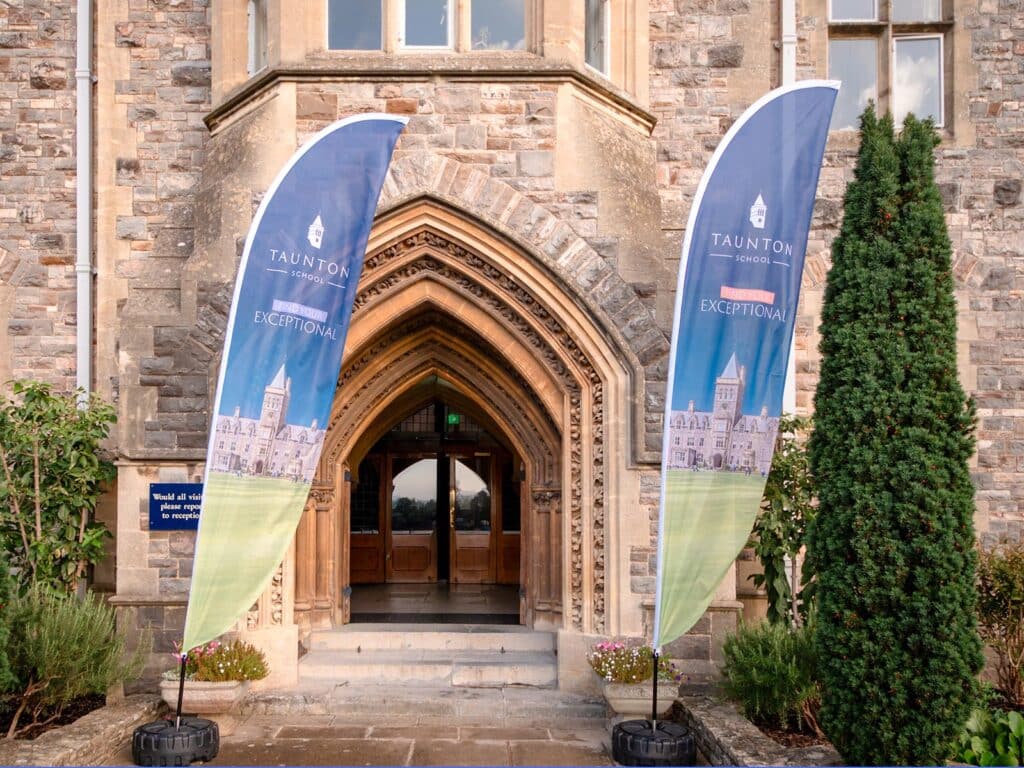
Feather flags offer businesses a practical outdoor advertising option that differs from fixed signage. These displays, sometimes called sail flags or feather banners, move naturally with air currents. This movement creates an active visual presence that helps draw attention in ways that stationary signs cannot achieve.
Businesses across the UK use these flags for various purposes. Retail shops place them outside their premises. Event organisers position them at venues. Sports facilities use them to mark locations and promote activities.
How Flag Displays Capture Attention
The human eye naturally tracks movement. Feather flags take advantage of this response by shifting position as wind passes through them. This creates a constant visual signal that stands out in busy environments.
These displays offer several practical benefits:
- Height advantage – Tall designs remain visible above pedestrian traffic and street furniture
- Weather tolerance – Materials withstand rain, wind, and UV exposure common in British weather
- Quick deployment – Simple assembly allows rapid installation and removal when needed
- Professional appearance – Quality printing maintains brand standards whilst attracting customer attention
The vertical format maximises visibility from distance. This proves particularly useful near roads or in crowded spaces where horizontal banners might go unnoticed.
Commercial Flags in the UK: Industry Analysis and Uses
Shop and Business Uses
Car dealerships rely on these promotional tools to draw attention to vehicle stock and seasonal sales campaigns. Retail businesses use them to mark store locations and communicate special offers to passing customers.
Restaurants and cafes display them to promote menu items and daily specials. Service-based companies deploy these flags for professional branding and marketing initiatives.
Trade Show and Festival Applications
Exhibition stands benefit from these displays for booth marking and product promotion. Outdoor festivals incorporate them for sponsor recognition and directional guidance.
Corporate functions use the flags to strengthen brand presence and define activity areas. Sporting venues deploy them for team identification, sponsor exposure, and crowd direction.
Niche Industry Uses
Building sites employ these flags for safety communications and company identity. Estate agents utilise them for property advertising and viewing announcements.
Political organisations display them during campaigns for candidate recognition and event signage. Charitable groups incorporate them into fundraising activities and public awareness drives.
Understanding Feather Flag Costs: Expert Production Insights
Factors Affecting Price Points
Production specialists identify several key elements that influence feather flag pricing.
Manufacturing Techniques:
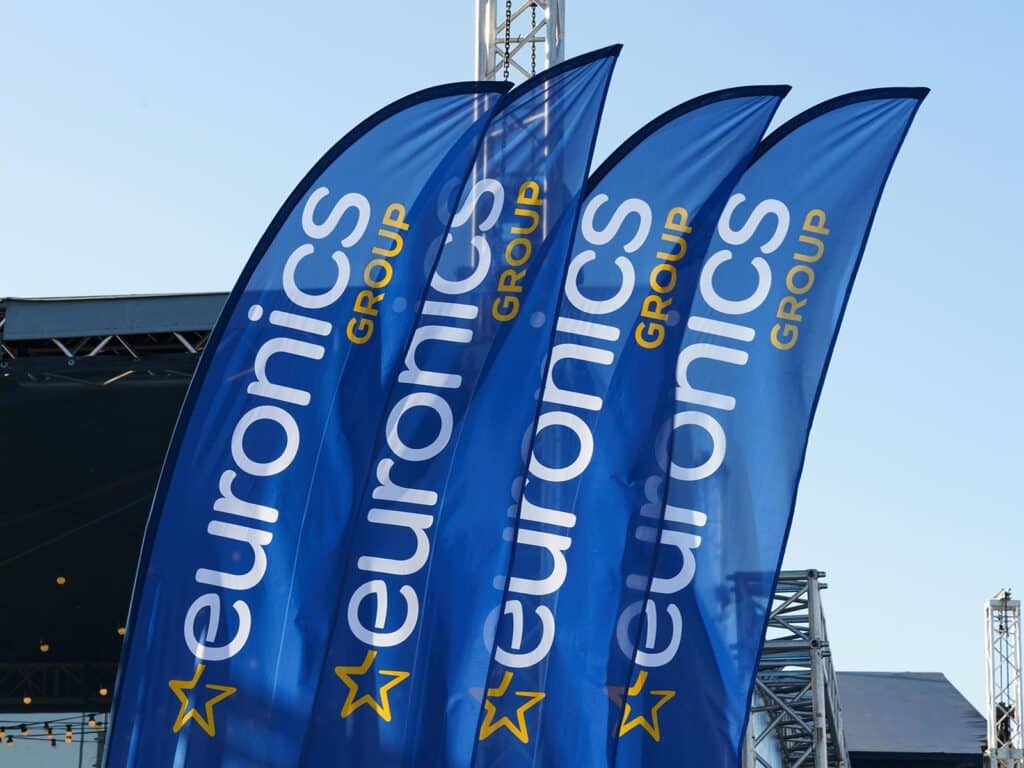
The printing method substantially impacts both cost and longevity. Direct printing offers lower initial costs but shorter lifespans of 6-8 months. Dye sublimation technology costs more but delivers superior durability lasting 12-18 months. Screen printing provides cost benefits for large volumes yet limits colour options.
Material Specifications:
Fabric weight and composition affect pricing structures. Standard 115gsm polyester represents commercial-grade quality. Premium 130gsm+ polyester offers enhanced durability for challenging weather conditions. Environmentally conscious recycled PET fabrics carry slight additional costs.
Design Complexity:
Single-sided printing represents baseline pricing with natural show-through. Double-sided flags with block-out layers add £8-15 per unit. Complex colour requirements increase setup expenses. Non-standard dimensions command 20-30% premiums over standard sizes.
Bespoke Feather Flags UK: Quality Design and Manufacturing Standards
Designing for British Weather Conditions
Creating effective custom feather flags requires careful consideration of the UK’s unique climate. Designs must remain visible during overcast days and withstand variable weather patterns.
High-contrast colour combinations ensure messages stay readable even under grey skies. Text should be bold and large enough to read from at least 10 metres away. Designers should place key elements centrally to prevent wind from folding the flag and hiding important information.
Colour saturation needs adjustment to account for frequent cloud cover. Brighter, more saturated colours help flags stand out when natural light is limited.
Brand elements require strategic placement for maximum impact. Logos work best in the upper two-thirds of the display area where they catch viewers’ eyes first. Exact colour matching maintains brand consistency across all marketing materials.
Messages should follow a clear hierarchy with the main point dominating the space. Calls to action need straightforward wording that tells viewers exactly what to do next.
Manufacturing Standards and Quality
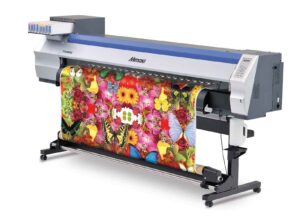
Dye sublimation technology produces superior results for custom feather flags. This process creates graphics that match the quality seen at major sporting events and exhibitions.
The inks bond directly with fabric fibres rather than sitting on the surface. This method produces colours that stay bright through multiple seasons of outdoor use. Fine details and small text remain sharp and clear.
Quality checks happen at multiple stages of production. Each printed flag gets compared against approved colour standards. Fabric receives inspection for consistent weight and texture throughout every metre.
Finishing work includes professionally heat-cut edges and reinforced stitching at stress points. Every flag undergoes testing to confirm proper pole fit and stable setup before leaving the facility.
Cost-Effective Feather Flags in the UK: Getting the Best Return on Investment
Intelligent Purchasing Approaches
Businesses can reduce costs significantly by planning their requirements in advance. Ordering multiple flags at once unlocks better pricing than purchasing items individually throughout the year.
Standard specifications deliver the best value for money. A flag measuring 90cm x 180cm provides strong visibility at the most competitive price point. Single-sided printing works well when displays sit near walls or buildings, cutting costs without sacrificing effectiveness.
Choosing template designs eliminates custom artwork fees whilst maintaining professional appearance. Standard materials like 115gsm polyester offer reliable performance at entry-level pricing.
Timing strategies include:
- Placing orders during autumn and winter when demand decreases
- Allowing six weeks or more for production to avoid rush fees
- Combining multiple campaign requirements into one order
Preventing Costly Mistakes
Certain quality factors cannot be compromised without creating problems later. Dye sublimation printing stands up to outdoor conditions far better than cheaper methods. Fabric should meet minimum standards of 115gsm polyester for proper wind resistance.
Double-stitched pole sleeves prevent the material from tearing away during use. Complete pricing should include poles and bases rather than requiring separate purchases.
Additional expenses to examine:
- One-time setup charges for design and printing preparation
- Delivery fees added to the base price
- Replacement costs when inferior products fail quickly
- Professional image damage from poor-quality displays
Low-priced options that sacrifice durability or appearance often cost more over time. Calculating total investment rather than initial price reveals true value.
Total Investment for Feather Flags
Full Setup Expenses
A complete feather flag system requires multiple components beyond the flag itself. The printed flag with professional graphics typically costs between £50 and £125. A telescopic pole made from standard aluminium adds another £30 to £50 to the expense.
The base system varies in price based on ground conditions and stability needs. These range from £10 to £30. Storage bags for weather protection cost an additional £5 to £15 but extend the life of the display significantly.
Running and Maintenance Expenses
Regular cleaning maintains a professional appearance throughout the season. Proper storage between uses extends the lifespan considerably.
Most businesses should plan for replacement after 12 to 18 months of regular use. Some may choose earlier upgrades when improved printing technology becomes available.
Staff require training for efficient setup and takedown procedures. Optimal placement affects visibility and effectiveness. Local planning regulations must be checked before installation. Business insurance policies should cover outdoor advertising equipment.
Buying Guide for Feather Flags: Strategic Purchasing Methods
Strategic Buying Approaches
Businesses should develop clear specifications before placing orders. This means listing the exact size, printing method, quantity needed, and expected delivery date.
Requesting physical samples allows buyers to evaluate quality firsthand. This step helps avoid issues with material or printing standards.
Complete Cost Verification:
- Confirm all components are included in quotes
- Check for hardware, poles, and carrying cases
- Review delivery charges and any setup fees
- Identify potential hidden costs
Speaking with a supplier’s previous customers provides valuable insight into product performance and service quality. Warranty terms should be reviewed carefully to understand coverage periods and what situations are included.
Supplier Assessment Factors:
- Manufacturing location and capabilities
- Quality certifications and industry standards
- Customer service responsiveness
- Delivery track record
- Pricing clarity and honesty
Discussion Tactics for Better Pricing
Planning annual purchases creates opportunities for improved rates. Suppliers often provide discounts when buyers commit to yearly volumes.
Combining feather flags with other display products in a single order can strengthen negotiating position. Accepting extended lead times may also result in lower costs.
Payment Options:
- Early payment typically reduces total cost by 2-3%
- Splitting deliveries across budget periods whilst maintaining volume pricing
- Trade credit for established businesses
Building consistent supplier relationships frequently leads to improved pricing and terms over time.
Equipment Components for Feather Flag Systems
Pole Construction and Materials
The pole system forms the backbone of any feather flag display. Different materials offer distinct advantages depending on the application.
Aluminium telescopic poles are the most common choice. They resist rust and weigh very little. Fibreglass poles bend rather than break in strong winds. Carbon fibre poles cost more but provide excellent strength with minimal weight for long-term setups. Steel poles handle extreme weather conditions but add weight for transport.
Key pole features include:
- Adjustable height through telescopic design
- Secure connections that prevent flag detachment
- Manageable weight for easy transport
- Material-specific maintenance requirements
Foundation Options for Different Surfaces
The base system must match the installation surface and weather conditions. Different surfaces require specific solutions.
For soft ground installations:
- Steel spikes work well in grass and soil
- Enhanced spikes provide extra grip in windy locations
- Safety caps protect users and extend spike life
- Removal tools simplify takedown
For hard surfaces:
- Cross bases with water bags offer portable stability
- Weighted systems suit permanent setups
- Clamp attachments work with existing structures
- Custom brackets solve unique mounting challenges
Preserving Hardware Performance
Regular care extends the life of flag hardware. Simple maintenance prevents costly replacements.
Inspect components regularly for signs of wear or damage. Store hardware in clean, dry locations between uses. Many parts can be replaced individually rather than replacing the entire system. Permanent installations benefit from seasonal preparation, especially before winter weather arrives.
Clean poles and bases after each use to remove dirt and moisture. Lubricate moving parts on telescopic poles to maintain smooth operation.
Understanding Different Names and Uses
Different Names Explained
Feather banners go by several names in the advertising industry. Each term describes a similar product with slight differences in shape and structure.
The feather flag style features a curved edge that tapers towards the top. This shape creates movement in the wind and works well for shops and commercial spaces. The design has become standard across the UK market.
Sail flags use straight edges and angular shapes instead of curves. These banners often come in larger sizes to increase visibility. Car dealerships and major events frequently choose this style.
The term “feather banners” serves as a catch-all phrase for both types. Procurement teams and purchasing departments commonly use this terminology when requesting quotes or placing orders.
Design Choices for Different Situations
Retail locations benefit from feather-shaped profiles because they look softer and more welcoming. Businesses should use colours that match their existing brand identity. The text needs to be simple and easy to read from a distance. Professional mounting systems help maintain a quality appearance.
Events require different considerations. Sail-shaped banners with bold geometric forms attract more attention in busy spaces. High-contrast colour schemes improve visibility when many activities compete for attention. These banners work well for displaying event sponsor logos. The hardware must allow for quick assembly and removal between events.
Evolving Landscape and Emerging Innovations
Digital and Material Progress
The feather flag industry is experiencing significant technological development. Modern flags now incorporate QR codes that connect customers to online content directly from physical displays. NFC-enabled flags allow immediate mobile interaction without requiring scanning.
LED technology makes flags visible throughout day and night. Solar-powered options provide sustainable energy for electronic features. These advances help businesses maintain constant visibility whilst reducing environmental impact.
Material developments include:
- Improved fabric treatments that extend outdoor durability
- Recycled and biodegradable textile options
- Weather-responsive fabrics that adapt to conditions
- Antibacterial coatings for hygiene in public spaces
These innovations address both performance needs and environmental concerns.
Compliance and Standards Framework
Local planning authorities now enforce specific size limits for outdoor advertising displays. Businesses must comply with environmental requirements regarding sustainable materials. Safety standards have become stricter for installations in public areas.
New accessibility guidelines address visual contrast and positioning requirements. Quality certifications are emerging to verify outdoor display durability. Lifecycle assessment protocols evaluate environmental impact. Professional installation and maintenance standards ensure safe deployment across all settings.
Expert Guidance: Getting the Most From Your Purchase
Planned Rollout Approach
Businesses should begin with a small-scale trial before committing to a larger order. Placing two or three flags in locations with high visibility allows companies to test different messages and positions. This initial phase helps identify what works best for attracting attention.
Tracking foot traffic and customer enquiries during this test period provides valuable data. Companies should record their findings and use this information to guide future decisions.
Once the testing phase shows positive results, businesses can expand their use of flags systematically. The successful strategies from the trial should be applied to new locations. Maintaining consistent branding across all flags strengthens brand recognition.
Staff training ensures proper setup and care of the flags. Regular maintenance schedules help protect the investment and extend the useful life of each flag.
Advanced users can coordinate flag displays with other promotional activities. Seasonal messages and event-specific designs keep the marketing fresh and relevant.
Verification and Maintenance Points
Pre-purchase checks:
- Confirm the printer uses dye sublimation methods
- Review fabric weight specifications
- Request full pricing details for all components
- Ask for customer references
After receiving order:
- Examine print quality and colour accuracy
- Test all hardware pieces for stability
- Check pole sleeve durability
Regular upkeep tasks:
- Inspect flags for damage or fading
- Gather feedback on appearance
- Track marketing results
- Plan replacements when needed
Professional Display Solutions for Modern Marketing
Feather flags have transformed from simple advertising tools into advanced marketing instruments. This shift shows how businesses now think differently about outdoor promotions. Success depends on understanding how these displays fit into a complete brand strategy.
The most effective flag programmes share several key features. Strategic planning forms the foundation, with clear goals and ways to measure results. Quality investment ensures the specifications match how the flags will be used. Professional execution covers proper setup and regular care. Brand integration keeps the displays aligned with other marketing efforts. Performance monitoring allows businesses to review and improve their approach over time.
Key Elements for Successful Implementation:
- Define specific objectives before purchasing
- Select appropriate materials for location and duration
- Ensure correct installation and positioning
- Maintain consistency across all brand touchpoints
- Track performance and adjust as needed
Balancing cost with quality requirements proves essential for any outdoor advertising programme. Businesses must consider their strategic goals alongside budget constraints. The lowest price rarely delivers the best long-term value.
Working with established suppliers offers significant advantages. These partners understand both technical specifications and strategic applications. They provide guidance on material selection, printing methods, and placement strategies. Their experience helps businesses avoid common mistakes that waste money or damage brand reputation.
Feather flags represent an investment in brand visibility and market presence. When specified correctly and produced professionally, they deliver strong value for outdoor marketing budgets. Modern consumers expect professional appearance in all brand communications, including outdoor displays.
Proper specification and production create displays that withstand British weather conditions whilst maintaining visual impact. Quality materials and printing techniques ensure colours remain vibrant and fabric stays intact through extended outdoor use. Professional installation maximises visibility and prevents damage from wind or other environmental factors.
Businesses seeking reliable outdoor advertising solutions should prioritise partners who combine manufacturing knowledge with marketing insight. This combination ensures displays meet both technical requirements and strategic objectives.







Leave a Reply
You must be logged in to post a comment.