


Temporary fence covers turn basic barriers into professional-looking structures that serve multiple purposes at construction sites and events. They provide privacy, block dust and debris, display branding, and improve the overall appearance of any fenced area. These covers attach to existing temporary fencing and come in various materials designed for different needs and budgets.
Temporary fence covers are fabric or mesh materials that attach to chain link or panel fencing to create privacy screens, windbreaks, or advertising spaces while meeting safety requirements. Construction sites use them to contain dust and maintain a clean neighbourhood appearance. Event organisers rely on them for crowd control and creating branded experiences. Both industries benefit from the added security and professional look these covers provide.
We’ll walk you through the different cover types available, from basic privacy mesh to custom printed materials. You’ll learn what factors matter most when choosing covers for your specific project and what rules you need to follow. This guide helps you make informed decisions about temporary fence covers that work for your timeline, budget, and project goals.
Types of Temporary Fence Covers for Events and Construction
Temporary fence covers come in several styles designed for different purposes, from basic privacy screens to heavy-duty security barriers. The right choice depends on whether you need crowd control at an event, dust containment at a construction site, or branded displays for marketing.
Heras Fence Covers
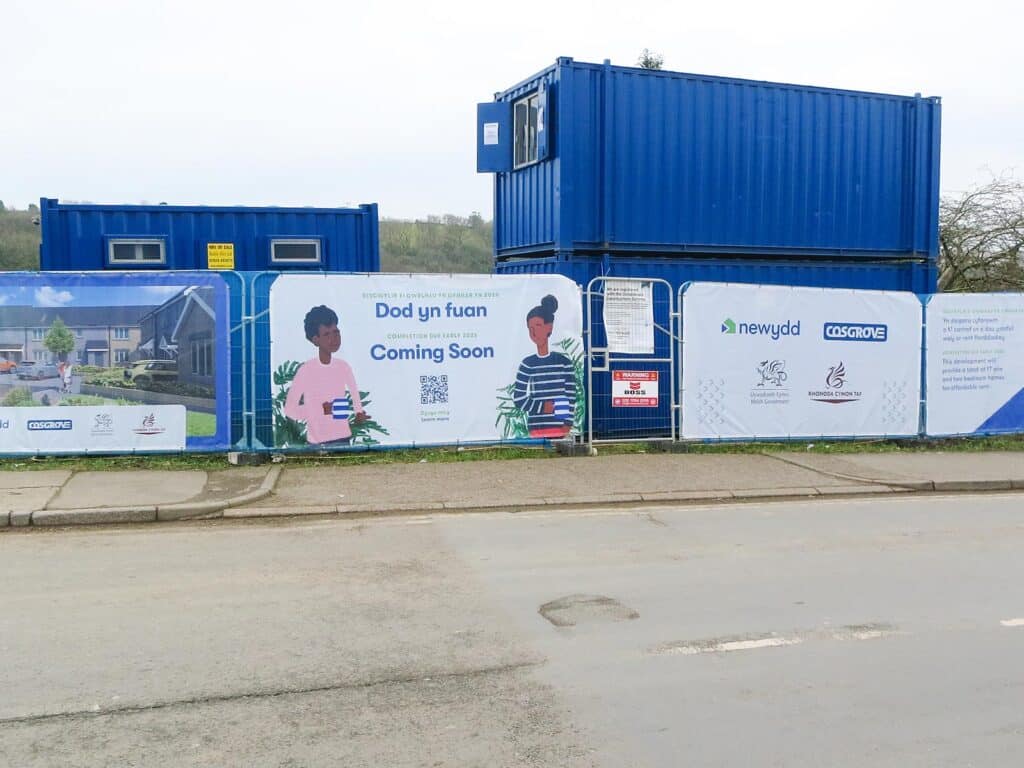
Heras fence covers attach directly to standard Heras panel fencing and create instant privacy or advertising space. These covers typically measure around 3.5m x 2m to match standard panel dimensions. We see them most often at construction sites where they block dust and debris from public view.
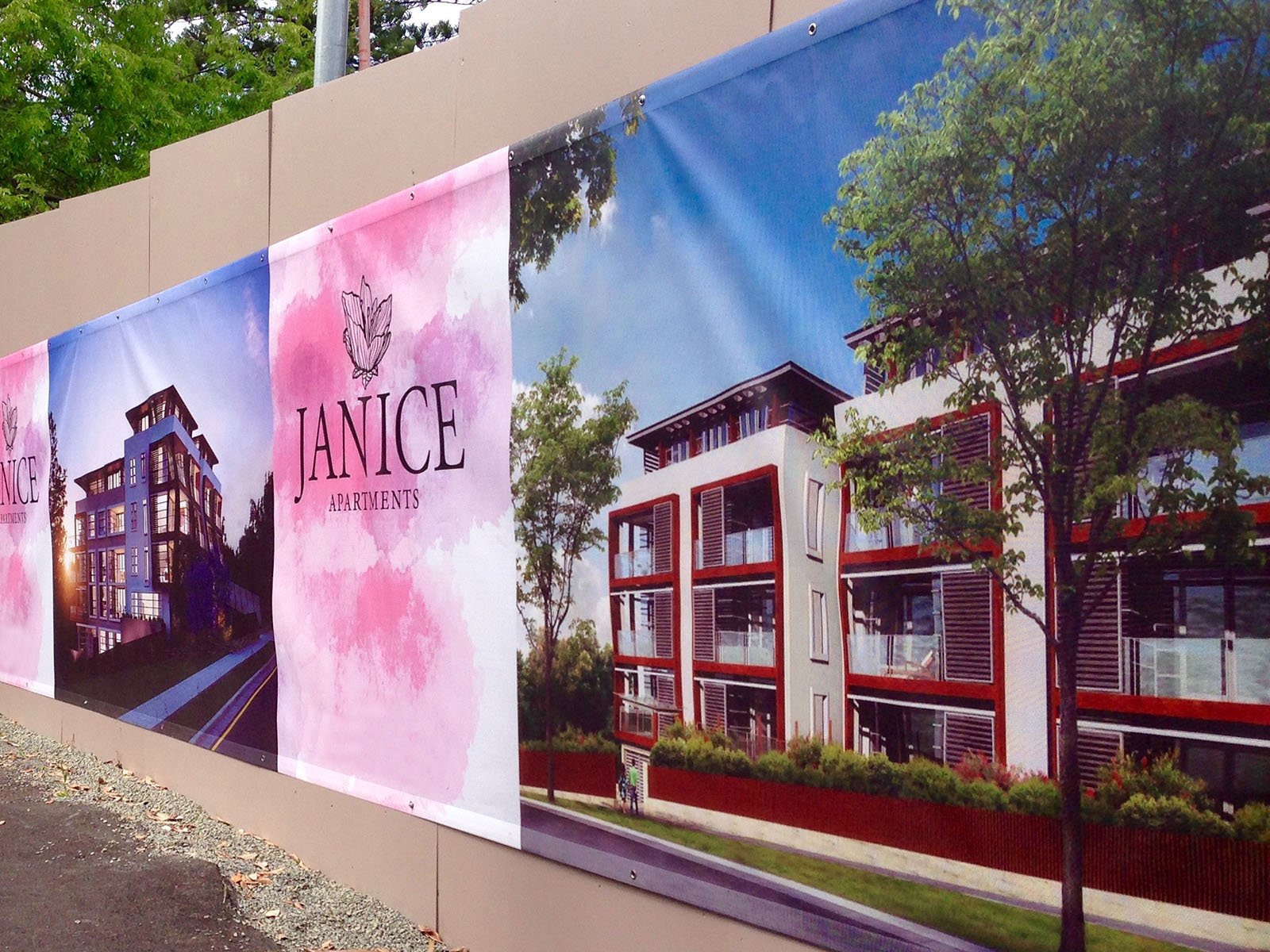
The covers use reinforced eyelets and cable ties for quick installation. Most are made from PVC-coated polyester that stands up to wind and rain. Most construction companies use their logo and brand graphics on these covers to turn temporary fencing into marketing tools.
Heras covers work well for short-term and long-term projects. They’re durable enough to last through multi-month construction jobs. The material blocks visibility while still allowing some airflow to prevent wind damage.
Mesh Fencing Panels
Mesh fencing panels with covers use a breathable material that reduces wind load compared to solid barriers. The mesh allows about 30-40% air flow while still blocking most visibility. This makes them stable in outdoor conditions withstrong winds.
These panels are popular for sporting events and festivals. The mesh material is lighter than solid PVC, making setup and breakdown faster. We often see them used when temporary fences need to stay up for just a few days.
The mesh can be printed with sponsor logos or event information. It’s a cost-effective option for events that need basic privacy without heavy-duty security features.
Privacy and Branding Panels
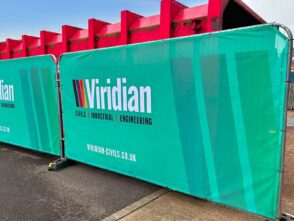
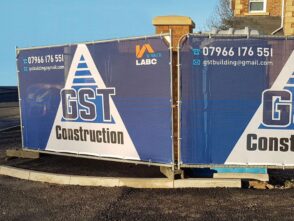
Privacy and branding panels serve dual purposes on job sites and at events. These solid covers completely block sight lines while displaying logos, safety messages, or promotional content. They transform basic temporary fencing into professional-looking barriers.
Common uses include:
- Construction site perimeter fencing
- Festival VIP areas
- Corporate event spaces
- Retail construction in busy shopping areas
The panels use flame-retardant polyester or PVC materials for safety compliance. Print quality is high enough for detailed graphics and photos. Our fencing solutions offer full-colour custom printing at reasonable prices.
Installation takes just minutes per panel using standard tie systems. The covers stay secure even in moderate wind when properly attached to stable temporary fence systems.
High-Security Temporary Fencing
High-security temporary fencing uses reinforced barriers designed to prevent climbing and forced entry. These heavy-gauge steel panels have anti-climb features.
We see these at sensitive construction sites, government facilities, and high-risk events. The barriers often include reflective strips for nighttime visibility.


Key Considerations for Selecting Temporary Fence Covers
Selecting the right temporary fence covers depends on understanding your specific site needs, security requirements, regulatory compliance, and budget constraints. Each project presents unique challenges that require careful evaluation of these factors.
Purpose and Site Requirements
The primary purpose of your fence covers should guide your selection process. For construction sites, we need covers that block dust, debris, and unauthorised viewing of work areas. These covers protect both workers and the public from flying materials while maintaining privacy.
Event venues have different needs. We often require covers that display branding, wayfinding information, or sponsor logos. These covers serve dual purposes of perimeter control and marketing.
Weather conditions at your site matter significantly. Wind-resistant materials work best in exposed locations, while heavy-duty vinyl withstands prolonged outdoor use. Sites near coastal areas need air mesh PVC, which has larger holes for higher levels of airflow.
The duration of your project affects material choice. Short-term events can use lighter-weight covers, while long-term construction projects require durable materials that won’t deteriorate over months of exposure.
Safety and Perimeter Security
Safety remains the top priority for temporary fencing solutions. Covers must not compromise the structural integrity of the fence or create hazards. We need to ensure covers are properly secured to prevent them from becoming projectiles in high winds.
Visibility requirements vary by location. Some sites need semi-transparent covers that allow security personnel to monitor both sides of the fence. Others require complete opacity to prevent public viewing of dangerous work areas.
Site security improves when covers eliminate sight lines into restricted zones. This prevents theft of equipment and materials while discouraging unauthorised entry attempts. Covers also reduce distractions for workers by blocking outside activity.
Fire-retardant materials are essential near welding operations or other heat sources. We must verify that covers meet fire safety standards for the specific work being performed.
Compliance with Regulations
Local building codes and safety regulations often dictate fence cover requirements. Municipal ordinances may specify height restrictions, wind load ratings, or material standards. We need to research these requirements before purchasing or renting covers.
OSHA regulations require adequate debris containment on construction sites. Fence covers must meet these standards to protect pedestrians and adjacent properties. Some jurisdictions require specific signage or warnings on perimeter fencing.
Environmental regulations may limit certain materials or require debris netting capabilities. Sites near waterways often face stricter rules about runoff and particulate control.
Permit applications frequently include details about temporary fencing and covers. Site management teams should verify that proposed covers satisfy all permit conditions before installation.
Temporary Fence Covers: Regulations and Compliance
Temporary fence covers must meet specific safety and visibility standards that vary based on their use at construction sites or events. We’ll examine the core regulations governing fence covers across different applications and jurisdictions.
Construction Site Standards
OSHA requires temporary fencing on construction sites to be at least six feet tall, with eight-foot barriers needed in high-risk areas. When we add covers to these fences, they must maintain visibility and safety features. Construction zone covers need bright colours like orange and yellow to warn the public of danger.
The covers cannot obstruct required warning signs or reflective striping. Many jurisdictions require reflective elements on fence covers for nighttime visibility, following ANSI/ISEA 107-2020 standards. Wind resistance is critical since covers increase the surface area exposed to wind forces.
We must ensure fence systems with covers can withstand winds up to 60 miles per hour. The covers should use flame-resistant materials that meet local fire codes. Mesh covers need adequate perforation to reduce wind load while maintaining privacy and dust control.
Event-Specific Guidelines
Event fence covers face different requirements than construction applications. We typically use lighter materials for short-term events since longevity isn’t the primary concern. The covers must not create tripping hazards where they meet the ground.
Local permits often specify cover colours and branding restrictions near public roads. Some municipalities limit advertising content on fence covers in certain zones. Fire marshals may require specific spacing between covered fence sections to maintain emergency access paths.
We need to verify that covers don’t block required exit signage or emergency lighting. For outdoor festivals and concerts, covers must allow adequate airflow to prevent the fence from becoming a sail in wind. Many venues require covers to be professionally installed and inspected before events open to the public.






Leave a Reply
You must be logged in to post a comment.