Sports event branding is about much more than printing a few banners and adding sponsor logos. Effective branding creates a clear identity, improves wayfinding, enhances sponsor visibility, and helps spectators engage with the event from arrival to final presentation.
When it is done well, event branding shapes how the whole experience feels. It helps people recognise the occasion, move through the venue with confidence, and remember the event long after the final whistle, finish line, or medal ceremony.
We usually recommend thinking about sports event branding as a complete system. The strongest events have a consistent look and feel across everything — from social media and registration pages to entrance signage, pitch-side graphics, photo backdrops, and results areas.
Key Elements of Successful Sports Event Branding
- Consistent visual identity across all touchpoints
- Clear signage and wayfinding
- Strong sponsor visibility
- Durable materials suited to the venue
- Alignment between digital and physical branding
Why Sports Event Branding Matters
Strong branding makes a sports event easier to understand and easier to trust. Spectators should be able to tell where they are, what is happening, who is sponsoring the event, and where to go next without confusion.
This applies to everything from local fun runs and school tournaments to stadium fixtures and large outdoor competitions. When branding feels connected, the event appears more organised. When it feels inconsistent, even a well-run event can look less professional.

Start With the Purpose of the Event
Before choosing colours, signage, or display products, the first question should always be: what is the event trying to achieve?
A charity sports day requires a different approach from a national competition. A grassroots football festival will differ from a corporate golf day or a city-centre running event. Audience, venue, duration, and sponsorship levels should all influence the branding plan.
This early thinking affects everything. Family-focused events may need bright, welcoming visuals, while sponsor-led events require structured logo placement without losing identity. Outdoor events must also consider materials and fixings alongside design.
Build a Clear Event Identity
Once the purpose is defined, the next step is creating a simple visual identity that works across all platforms.
This typically includes a strong event name, a scalable logo, a limited colour palette, and a consistent typeface. Clarity is key — branding often needs to work at distance and at speed.
Create a practical branding toolkit
An effective identity should work across both print and digital platforms. This means preparing multiple logo versions, defining colour usage, and setting rules for sponsor placement.
It can also help to create a small bank of approved graphics or styles to ensure consistency across suppliers and teams. For guidance on preparing artwork, see our banner design guide.
Brand the Venue, Not Just the Marketing
One of the most common mistakes is focusing heavily on promotion before the event while neglecting branding inside the venue.
The venue is where branding works hardest. It should welcome visitors, guide movement, and build atmosphere. Mapping the attendee journey — from arrival and parking to entrance, viewing areas, and exit — highlights key branding opportunities.
Use signage for visibility and wayfinding
Signage plays a dual role by improving both visual impact and navigation. A combination of custom event signage, outdoor event banners, and custom printed feather flags can create strong visibility across the venue.
Simple designs work best. Large text, bold contrast, and clear messaging help spectators quickly find registration, facilities, and key areas.
Create strong sponsor visibility
Sponsors should be visible without overwhelming the event identity. Planning sponsor placement in advance helps maintain balance.
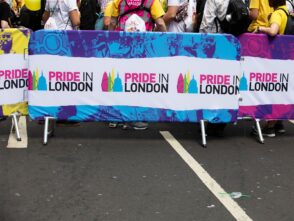
Products such as branded crowd barrier covers and step and repeat banners provide structured, professional spaces for sponsor exposure, photography, and media coverage.
Use Print and Display Products That Fit the Setting
Different venues require different solutions. Indoor spaces, outdoor fields, and street routes all behave differently, so product choice should follow the event plan.
For exposed areas, mesh banners are often the best option due to reduced wind resistance. For large-scale visibility, large format banners can create strong visual impact across wide areas.
Popular branding materials for sports events
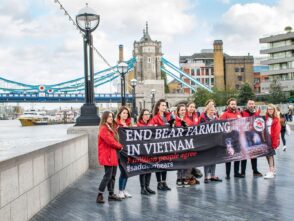
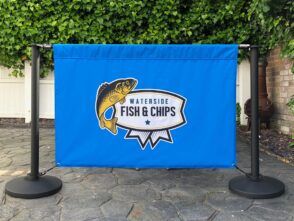
Feather flags work well at entrances and along routes, while event banners are ideal for fencing and spectator zones.
Crowd barrier covers transform standard barriers into branded surfaces, and Heras fence covers are effective for perimeter fencing and large-scale coverage.
For registration and activation areas
Printed gazebos provide shelter while creating a branded focal point for registration, merchandise, or sponsor activations.
For media and photography
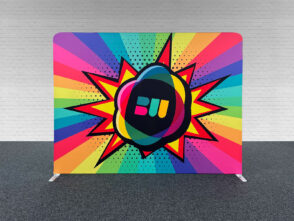
Step and repeat backdrops create consistent branding across interviews, presentations, and social media content.
For stadium impact
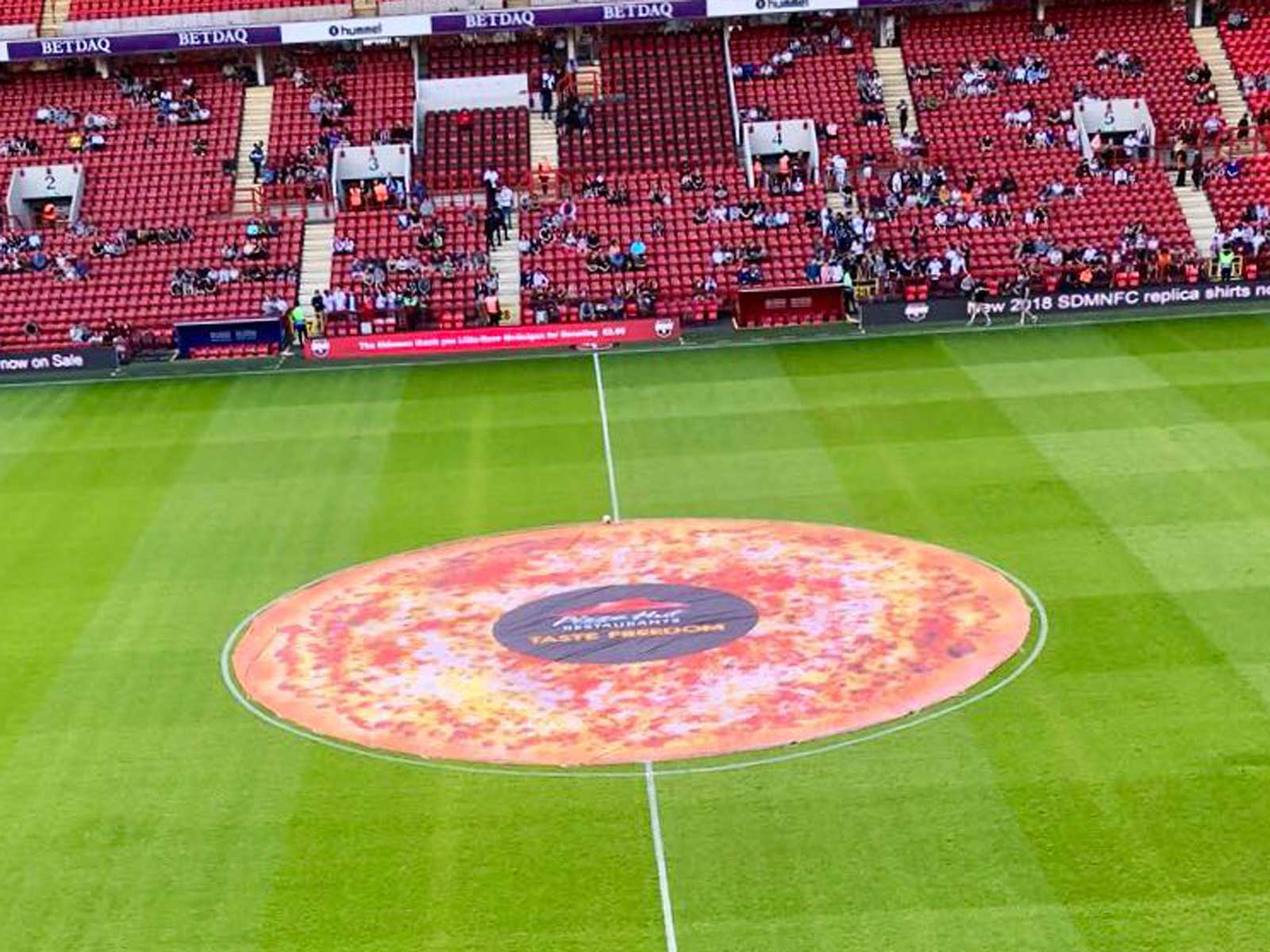
Crowd banners offer high-impact visuals for large spectator areas, helping enhance atmosphere and engagement.
Keep Branding Consistent Across Digital Channels
Branding should be consistent across both physical and digital platforms. This includes websites, emails, tickets, and social media.
Using the same colours, typography, and messaging ensures a cohesive experience. For more insights, explore our event marketing guides.
Think About the Spectator Experience
The best sports event branding improves how the event feels for attendees.
Clear visual cues help people navigate, identify key areas, and engage with the event. Strong entrances, finish areas, and photo opportunities can significantly enhance the overall experience.
Focusing on a few key branded areas often delivers better results than trying to brand every surface.
Plan for Set-Up, Durability, and Reuse
Practical considerations are just as important as design. Weather conditions, ground surfaces, and installation time all affect product choice.
Mesh materials, secure fixings, and portable displays can improve setup efficiency and durability. For recurring events, reusable branding assets can also reduce long-term costs.
Common Sports Event Branding Mistakes to Avoid
Branding too late often leads to rushed and inconsistent results.
Overloading designs with sponsor logos can reduce clarity.
Poor wayfinding can frustrate attendees even if the event looks visually strong.
Choosing products based only on cost can lead to issues with durability and setup.
How We Help Sports Events Stand Out
We help organisers choose the right mix of sports event branding solutions, including flags, banners, barrier covers, fencing graphics, gazebos, and backdrops.
By balancing visibility, practicality, and atmosphere, it is possible to create events that are easier to navigate, more engaging to attend, and more valuable for sponsors.
If you are planning an upcoming event, explore our event branding range or get in touch for advice on the best solutions for your venue.
Sports Event Branding FAQs
What is sports event branding?
Sports event branding is the process of creating a consistent visual identity across signage, marketing materials, digital channels, and the event venue itself.
What branding do you need for a sports event?
Most events require entrance signage, directional signs, banners, flags, sponsor backdrops, and branded zones such as registration and finish areas.
What are the best materials for outdoor sports events?
Mesh banners, weather-resistant PVC banners, and durable display systems are ideal for outdoor environments.
How do you make a sports event look professional?
Consistency across colours, typography, signage, and digital platforms creates a more organised and professional appearance.