


Feather flags and teardrop flags are two of the most popular outdoor advertising tools, but choosing between them can be confusing. Both options grab attention and promote your brand effectively, yet they work differently based on shape, wind performance, and display space.
The best flag shape depends on your specific needs. Feather flags offer more branding space and height for maximum visibility, while teardrop flags provide better stability and consistent readability in changing weather conditions. Understanding these differences helps you pick the right option for your location and marketing goals.
We’ll walk you through the key differences between these flag styles, how they perform in various conditions, and what to consider for your business or event. By the end, you’ll know exactly which shape works best for your situation.
Feather Flags vs Teardrop Flags. The Key Differences
The shape of your advertising flags affects how your brand appears and performs in different conditions. Feather flags and teardrop flags each offer distinct advantages in design, printing space, and weather resistance.
Shape and Design Comparison
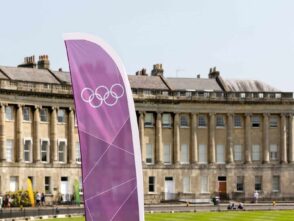
Feather flags have a curved top and straight bottom that creates their signature feather-like appearance. This elongated shape gives them a tall, narrow profile that can reach heights of 2m (6 feet 6 inch) to 4.1m (13 feet 5inch)
The design allows the flag to flutter and move with wind currents. This movement creates dynamic motion that naturally draws the eye from a distance.
Teardrop flags feature a rounded top that tapers down to a pointed bottom, creating their namesake teardrop shape. We typically see these flags in heights ranging from 2.3m (7 feet 6 inch) to 5.4m (17 feet 9 inch). The curved design keeps the fabric taut against the pole structure.
This shape gives teardrop flags a more modern, streamlined appearance. The fabric stays relatively still even when wind is present, which keeps your message readable at all times.
Branding Space and Print Area
Feather flags provide a larger total surface area for your graphics and text. The extended vertical design offers more room to display detailed logos, multiple lines of text, or complex images. This extra space works well when you need to communicate more information to viewers.
The curved edge on feather flags can limit usable space near the top. We recommend keeping important text and logos toward the centre and lower portions of the flag.
Teardrop flags offer a more compact print area that works best for simple, bold messages. The rounded top section provides good visibility for logos and short text. The tapered bottom naturally draws the viewer’s eye downward through your message.
Both flag types accept full-colour custom printing on polyester fabric. The choice between them depends on how much information you need to display and your preferred aesthetic style.
Stability and Wind Resistance
Teardrop flags maintain better stability in windy conditions. The aerodynamic shape and taut fabric prevent excessive flapping and twisting. Your message stays visible and readable even during gusty weather.
Feather flags move more freely in the wind, which creates attention-grabbing motion. However, this same movement can make text harder to read in strong winds. The constant fluttering may also lead to faster wear on the fabric over time.
Both flag styles use similar base options, including ground spikes, cross bases, and water or sand-filled bases. The base you choose matters more for stability than the flag shape itself. We recommend heavier bases for windy locations regardless of which flag type you select.
Performance and Suitability in Outdoor Advertising
Both flag types excel in outdoor advertising, but their performance varies based on location, weather, and how quickly you need to deploy them. Feather flags offer maximum height and movement, while teardrop flags provide stability and clean branding in challenging conditions.
Visibility and Impact
Feather flags deliver the tallest profile among outdoor advertising options, making them visible from greater distances. Their height, which helps them stand above other signage on busy streets or crowded events. The natural flutter in light wind creates eye-catching movement that draws attention from drivers and pedestrians.
Teardrop flags take a different approach. Their rounded shape keeps graphics tight and readable even when wind picks up. The design prevents fabric from wrapping around the pole, so your logo or message stays visible from multiple angles. This makes them effective for outdoor advertising at sports venues, festivals, and crowded markets where consistent brand presentation matters more than dramatic movement.
Key visibility factors:
- Feather flags: Best for roadside outdoor advertising and high-traffic retail areas
- Teardrop flags: Ideal for events where viewers approach from different directions
- Both types: Available in single-sided (mirror reverse) or double-sided. Double-sided is only offered on small and medium sizes due to the material being heavier.
Suitability for Various Weather Conditions
Wind resistance directly affects how long your outdoor advertising investment lasts. Feather flags handle moderate wind well, and their movement actually enhances visibility. However, constant fluttering can cause faster wear on the fabric edges over time.
Teardrop flags excel in windy locations. The aerodynamic shape reduces wind resistance and keeps the fabric taut against the pole. Coastal businesses, parking lots, and open fields benefit from this design because the flags maintain their appearance in strong gusts. The reduced flapping also means less noise and less stress on the pole hardware.
Ease of Setup and Portability
Both flag types set up in minutes without tools or special skills. Each comes with lightweight aluminum poles that break down into sections for transport and storage. The carrying bags make it simple to move between locations for pop-up shops, weekend markets, or rotating outdoor advertising campaigns.
Base selection matters for stability. A ground stake works best for grass, soil, or sand installations. Push it into the ground and insert the pole. A cross base or water base suits pavements and indoor floors. Both systems allow quick setup and breakdown.
Setup considerations:
- Assembly time: 2-3 minutes for either flag type.
- No tools required for standard installation.
- Compatible with multiple base types.
- Poles nest inside carrying bags for easy transport.
- Ground stake depth: 8-12 inches for proper stability.
Customisation Options and Printing Features
Both feather and teardrop flags offer extensive customisation to match your brand identity, from size and colour selection to printing methods and hardware choices. The key differences lie in how each shape accommodates design elements and in which printing options best maintain visibility.
Custom Feather Flags Design Choices
Custom feather flags offer a larger printable surface area due to their elongated design, typically ranging from 6 to 18 feet in height. This expanded canvas works well for designs that include detailed graphics, multiple text lines, or larger logos.
We print on polyester fabric using dye-sublimation print processes, producing vibrant colours that resist fading. The curved top section of feather flags provides extra space for eye-catching headers or brand names. Teardrop flags feature a rounded top that tapers to a point, creating a more compact design area.
The teardrop shape keeps your message contained within a defined space, making it ideal for simpler designs with focused messaging. Both flag types support full-colour printing across the entire surface. You can incorporate gradients, photographs, and complex colour schemes without restrictions on the number of colours used.
Double-Sided Printing and Visual Consistency
Double-sided printing ensures your message remains visible from any viewing angle, which matters when flags are placed in areas with foot traffic from multiple directions. We offer two main approaches: single-layer printing that shows through to the reverse side with a mirror image, and double-layer printing with two separate fabric pieces sewn together. Double-sided printed flags are only available in small and medium sizes.
Single-layer printing costs less but creates a mirrored, reversed image on the back. Double-layer printing maintains visual consistency on both sides with two distinct prints, though it adds weight and expense. Teardrop flags benefit more from double-sided printing because their stable shape keeps both sides visible even in the wind.
Feather flags flutter more in the breeze, which naturally displays both sides as they move. Most businesses choose single-layer printing for cost efficiency, reserving double-layer options for premium branding applications or indoor events where the flag remains stationary.
Hardware and Base Options
Both flag types use similar pole systems made from fibreglass or aluminium, with fibreglass offering better flexibility and aluminium providing increased durability. The poles break down into sections for easy transport and storage.
Base selection depends on your installation surface:
- Ground spikes penetrate soft surfaces like grass or sand.
- Cross bases work on hard surfaces like concrete or asphalt and can be weighted with sandbags.
- Water or sand bases provide heavy duty weighting and are the most popular option.
- Drive-on car foot base allow vehicle weight to secure flags in parking areas.
We include carrying bags with most flag kits to protect components during transport. Replacement parts like poles, bases, and fabric prints are available separately, extending the life of your initial investment.
Choosing the Best Flag Shape for Your Needs
Selecting between feather and teardrop flags depends on where you’ll place them, what conditions they’ll face, and your budget. Each shape works better in different situations and environments.
Ideal Use Cases for Each Flag Shape
Feather flags work best when you need more space for graphics and text. Their larger surface area makes them perfect for outdoor events like festivals, fairs, and sports competitions where people view them from far away. The tall design and movement help them stand out in crowded areas.
Use feather flags at storefronts to announce sales or new products. Their height draws attention from passing cars and pedestrians. Trade shows and exhibitions benefit from feather flags because they rise above crowds and display your brand clearly.
Teardrop flags excel in windy locations. Their shape keeps them taut and readable even when the wind picks up. We recommend them for permanent outdoor installations where weather stability matters most.
Indoor events work well with teardrop flags because they need less space. Their compact footprint fits better in tight areas like conference halls and indoor exhibitions. Choose teardrop flags when you want a modern, professional look that stays visible in all conditions.
Final Decision Criteria
Pick feather flags when you need maximum visibility from a distance, have detailed graphics to display, or want movement to catch attention. They work best at outdoor events, busy storefronts, and anywhere height matters.
Pick teardrop flags when wind is a concern, space is limited, or you prefer a sleek, modern appearance. They suit permanent outdoor locations, indoor venues, and professional settings.
Test your location’s wind conditions before buying. High-wind areas need teardrop flags for stability. Low-wind or indoor spaces can use either shape based on your design preferences. Consider ordering one of each style first to see which performs better at your specific location.







Leave a Reply
You must be logged in to post a comment.