


When businesses need large prints for banners, posters, or signage, time matters. Digital large format printing significantly reduces turnaround times compared to traditional methods, often cutting production schedules by up to 40% while maintaining high quality. This speed advantage comes from eliminating lengthy setup processes and enabling direct printing from digital files.
Traditional printing methods require extensive preparation, including creating printing plates and calibrating equipment for each job. Digital large format printing skips these steps entirely. The printer receives a digital file and begins production almost immediately, making it ideal for urgent projects and tight deadlines.
The difference becomes clear when comparing project timelines. A banner that might take several days using offset printing can be ready within hours through digital large format printing. This efficiency helps businesses respond quickly to market demands, launch time-sensitive campaigns, and reduce storage costs by printing materials only when needed.
Key Takeaways
- Digital large format printing reduces turnaround times by eliminating setup requirements like plate or screen creation
- Turnaround speed depends on factors including design complexity, quantity, material type, and printer capabilities
- Advances in printing technology continue to improve both speed and quality for large format projects
Defining Digital Large Format Printing and Turnaround Time
Digital large format printing uses advanced technology to produce oversized materials quickly, while turnaround time measures how long a printing project takes from order to delivery.
Understanding Large Format Print
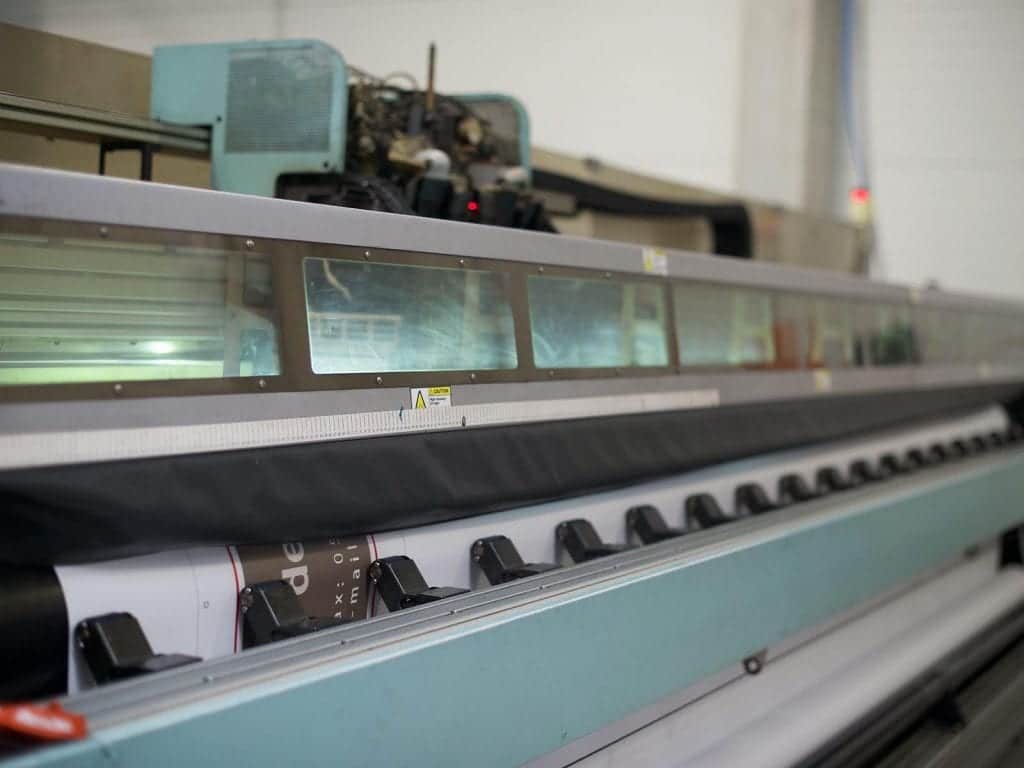
Large format printing creates designs, text, and images on a scale that exceeds the capabilities of standard desktop printers. This printing method typically handles materials that are 18 inches wide or larger.
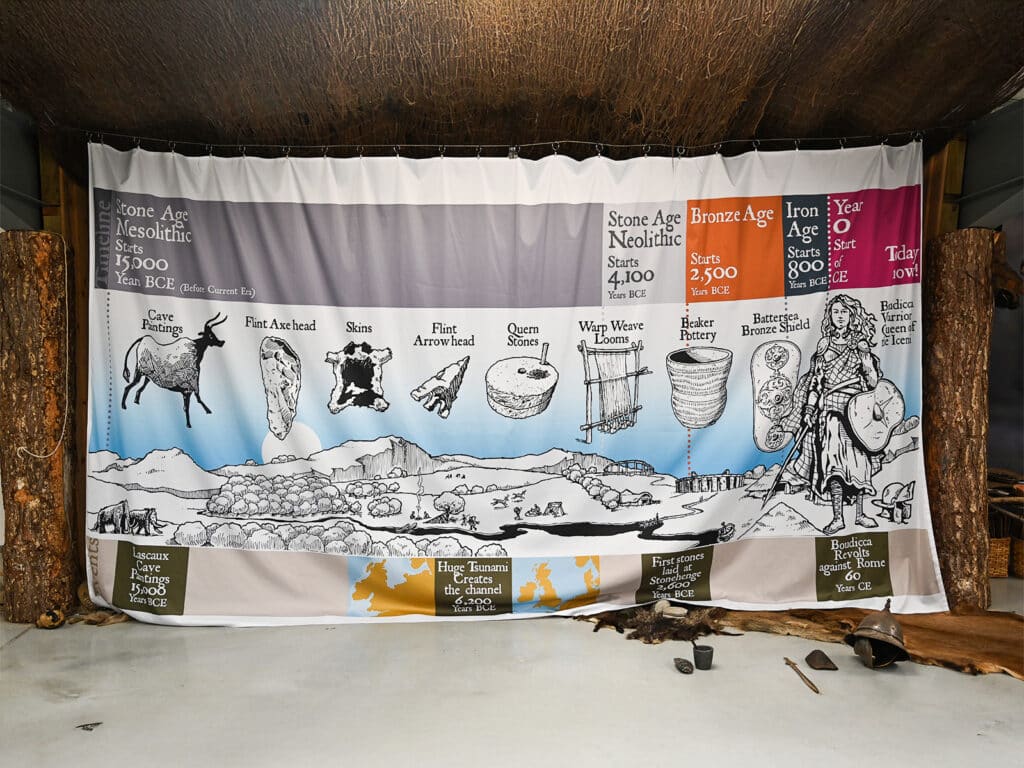
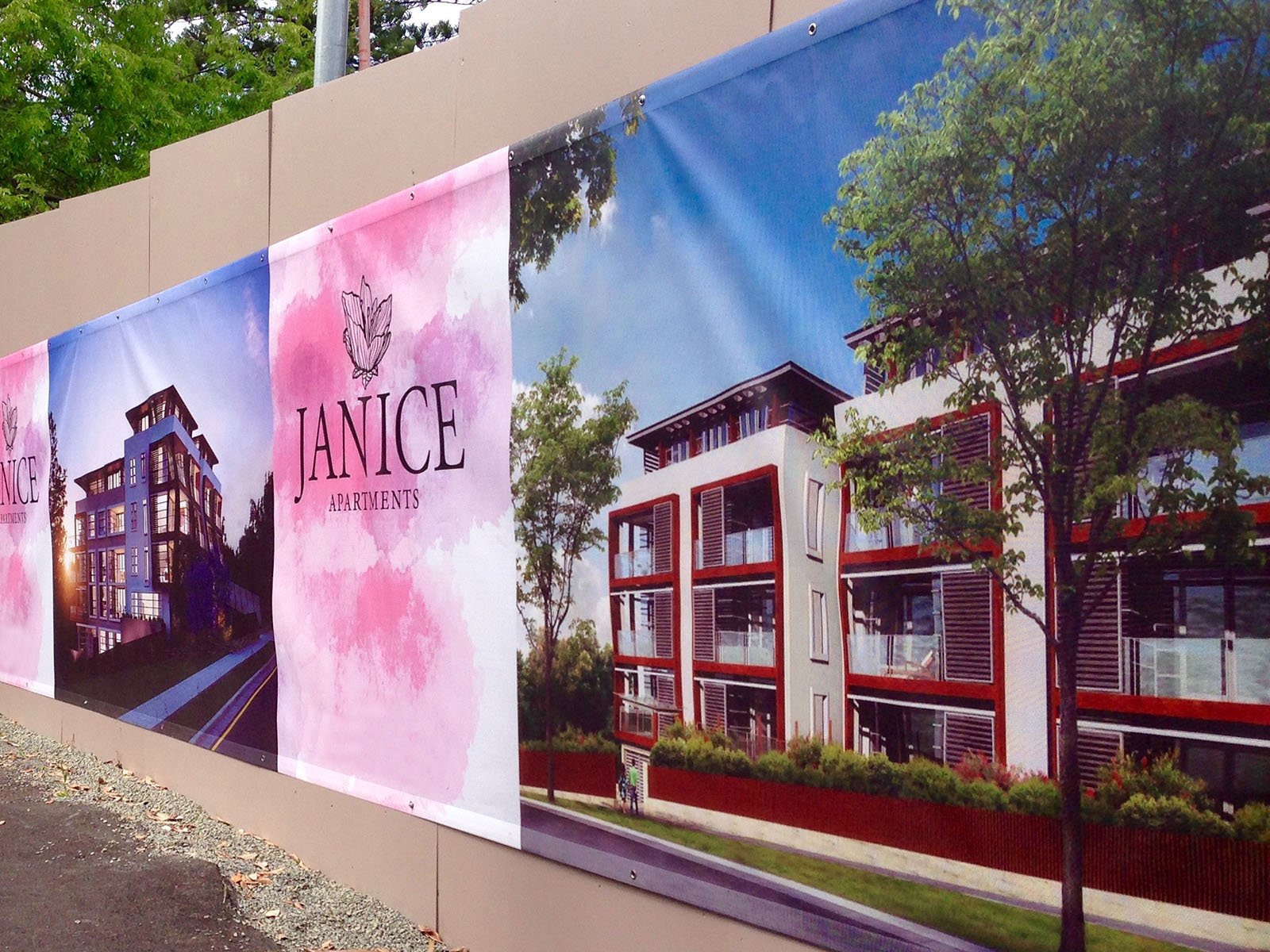
The technology serves multiple applications across different industries. Businesses use it for banners, building signage, retail displays, and event backdrops. The print industry also relies on large format printers for vehicle wraps, trade show graphics, and window displays.
Common materials used in large format printing include:
- Vinyl
- Canvas
- Paper and board
- Fabric
- Rigid substrates
Large format printers employ digital printing technology that transfers high-resolution images directly onto various substrates. This direct printing approach eliminates many intermediate steps that traditional methods require.
What Is Turnaround Time in Printing?
Turnaround time represents the total duration between submitting a print order and receiving the finished product. Every printing project moves through several stages before completion.
The timeline includes design preparation, file processing, actual printing, finishing work, and quality control checks. Each stage adds time to the overall project duration. The complexity of the design, quantity of prints, and availability of materials all influence how long a project takes.
Understanding turnaround time helps businesses plan their marketing campaigns and events properly. Print jobs cannot be completed instantly, even with modern equipment. Accurate time estimates prevent delays in promotional activities and product launches.
How Digital Printing Differs from Offset and Screen Printing
Digital printing and offset printing follow fundamentally different processes that affect project timelines. Digital printing transfers images directly from a computer file to the printing surface without intermediate steps.
Offset printing requires plate creation before any printing begins. This setup process adds significant time to each project. The plates must be made for each colour in the design, which extends the initial preparation phase.
Screen Printing requires the making of screens which adds cost and time to each project.
Key differences between the methods:
| Aspect | Digital Printing | Offset Printing |
|---|---|---|
| Setup time | Minimal | Extensive |
| Best for | Short runs | Large quantities |
| Customisation | Easy | Limited |
| Cost per unit | Higher for large runs | Lower for large runs |
Digital printing technology offers quicker turnaround times because it eliminates the plate-making or screen-making stage. This advantage makes digital methods ideal for projects with tight deadlines. Offset printing remains cost-effective for large-scale orders despite longer setup times.
Key Factors Influencing Turnaround Times in Digital Large Format Printing
Three main elements determine how quickly a digital large format printing project reaches completion. File preparation quality, project complexity, and material choices each play distinct roles in setting realistic timelines.
Role of File Preparation and Proofing
Proper file preparation directly affects how quickly printing projects move into production. Files with incorrect dimensions, low resolution, or missing fonts require additional time for correction before the printing process can begin. A print-ready file with proper bleed areas, correct colour profiles, and appropriate resolution speeds up the workflow significantly.
The proofing stage adds time but prevents costly errors. Digital proofs allow clients to review colours, layouts, and text before final production. Some projects need physical proofs, which extend turnaround times by one to three days depending on the complexity.
Files that arrive poorly prepared can delay projects by 24 to 48 hours. Printers must stop to request corrections or make adjustments themselves, which pushes back production schedules for all subsequent jobs.
Impact of Print Volume and Complexity
Simple designs with solid colours print faster than intricate graphics with gradients, fine details, or multiple colour overlays. A basic banner might take two hours to print, whilst a detailed vehicle wrap with complex patterns could require eight hours or more.
Volume affects turnaround times differently in large format printing than in standard printing. Small quantities of three to five prints often complete within 24 to 72 hours. Larger orders exceeding 50 prints may require several days due to machine availability and drying times between runs.
Design complexity also influences pre-production work. Jobs requiring colour matching, special finishing, or custom cutting need extra setup time before printing begins.
Material Availability and Selection
Material availability significantly impacts project timelines. Common substrates like vinyl, canvas, and standard banner materials typically remain in stock and ready for immediate use. Specialty materials such as fabric, textured papers, or eco-friendly options may require ordering, which adds three to seven days to the schedule.
Different materials demand specific drying times and handling procedures. Rigid substrates like foam board or aluminium composite require longer drying periods than flexible vinyl. Some materials need 24 hours to cure properly before finishing work begins.
Seasonal demand affects material availability throughout the year. Exhibition materials often run short during peak trade show seasons, whilst outdoor signage materials may have limited stock during busy spring months.
Comparing Digital Printing and Offset Printing for Turnaround Efficiency
Digital printing eliminates plate preparation entirely, whilst offset printing requires setup time that extends project timelines. The production speed advantage of digital methods becomes less significant as print quantities increase.
Speed and Workflow Differences
Digital printing transfers images directly from computer files to the printing surface. This direct process removes multiple preparation steps. The printer starts producing finished pieces within minutes of receiving the digital file.
Offset printing follows a different path. The print process requires creating metal plates for each colour. Technicians must mount these plates onto printing cylinders and calibrate ink flow. This preparation adds hours or days before the first sheet runs through the press.
Key workflow distinctions:
- Digital presses require no plates, blankets, or mechanical setup
- Offset presses need plate creation, mounting, and colour registration
- Digital printing allows immediate file-to-print production
- Offset printing demands press makeready and test sheets
For variable data projects, digital printing maintains consistent speed regardless of content changes. Each piece can differ without affecting turnaround time. Offset printing cannot accommodate variations without creating new plates.
Setup and Production Timeframes
Digital printing projects typically complete within 24 to 48 hours from file approval. Rush orders often finish the same day. The absence of setup requirements means production begins immediately.
Offset printing projects require 3 to 7 days minimum. Plate production alone takes several hours. Press setup adds another 1 to 2 hours before printing begins. Larger presses run faster once operating, producing thousands of sheets per hour compared to digital’s hundreds.
The break-even point sits between 500 and 2,000 pieces depending on project specifications. Below this threshold, digital printing delivers faster turnaround time. Above it, offset printing’s higher production speed compensates for longer setup, though total project time remains longer than digital for equivalent quantities.
Technological Advances Improving Turnaround Speed
New printing technology has cut project completion times from days to hours. Digital systems and automated workflows eliminate bottlenecks that once slowed production.
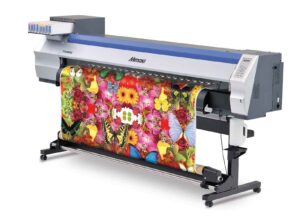
Modern Large Format Printers
Today’s large format printers operate at speeds that were impossible a decade ago. These machines print high-quality graphics on various materials whilst maintaining consistent colour accuracy and sharp detail.
Digital printing technology removes the setup time required for traditional methods. Operators no longer need to create printing plates or perform lengthy calibrations between jobs. This means projects can start immediately after file preparation.
Modern equipment handles substrate changes quickly. Printers can switch from vinyl to fabric or rigid materials in minutes rather than hours. The machines also reduce waste by printing precisely what customers need without excess production.
Print heads now deliver finer resolution at faster speeds. Some systems achieve photo-quality output whilst moving at several square metres per minute. This combination of speed and quality allows businesses to accept rush orders without compromising results.
Automation and Workflow Integration
Automated systems manage multiple stages of production without manual intervention. Software routes files directly from design programmes to printers, eliminating transfer delays and reducing human error.
Workflow integration connects different machines and processes into one streamlined system. Print jobs move automatically from printing to cutting to finishing stations. This coordination removes the waiting time between production steps.
Cloud-based platforms enable remote job submission and monitoring. Clients can upload files and track progress from any location. Print operators can manage multiple projects simultaneously and adjust priorities as deadlines shift.
Artificial intelligence optimises print settings based on file content and material type. These smart systems detect potential issues before printing begins and suggest corrections. This prevents failed prints and material waste that would otherwise extend turnaround times.
Print Quality and Turnaround: Striking the Balance
Higher quality settings require more time to process and print, whilst lower settings complete jobs faster. The resolution chosen and colour profiles selected directly impact how quickly a large format printer finishes a project.
Dots Per Inch (DPI) and Resolution
DPI refers to the number of individual dots a printer places within one inch of printed material. Higher DPI values create sharper, more detailed images but slow down printing speed significantly.
Standard large format prints typically use 150 DPI for general signage and posters. Projects requiring fine detail, such as exhibition graphics or close-viewing displays, need 300 DPI or higher. A banner printed at 150 DPI might finish in two hours, whilst the same banner at 300 DPI could take four hours.
The viewing distance matters when selecting DPI. Motorway billboards work well at 72-100 DPI because viewers see them from far away. Retail displays viewed from two metres need 150 DPI. Photography prints examined up close require 300 DPI.
Print technicians adjust resolution based on project deadlines and quality requirements. Rush jobs often use lower DPI settings to meet tight schedules without compromising visibility at intended viewing distances.
Selecting Suitable Colour Profiles
Colour profiles define how printers interpret and reproduce colours from digital files. Incorrect profiles cause colour mismatches that require reprinting, adding days to turnaround times.
RGB profiles work for screen displays but CMYK profiles suit most printing processes. Large format printers often use extended colour gamuts with additional inks beyond standard CMYK. Files prepared with the correct profile from the start prevent delays from colour corrections.
Calibrating printers to specific profiles takes 30-60 minutes but ensures consistent results across multiple prints. This upfront time investment prevents reprints caused by colour inconsistencies. Different materials absorb ink differently, so vinyl requires different profiles than canvas or paper.
Print shops maintain profile libraries for various material and ink combinations. Using pre-tested profiles eliminates trial-and-error adjustments that extend project timelines.
Applications and Examples: Turnaround Considerations by Product Type
Different large format products require varying production times based on their size, materials, and finishing requirements. Banner projects typically complete faster than rigid signage, whilst posters fall somewhere in between depending on quantity and substrate choices.
Banners
Digital large format printing delivers banners in 24 to 48 hours for standard orders. The speed comes from printing directly onto vinyl or fabric materials without requiring plates or extensive setup time.
Simple vinyl banners with grommets represent the fastest turnaround option. These typically complete within one business day for quantities under 10 units. More complex banner projects need additional time for custom sizes, hemming, or pole pockets.
Factors affecting banner turnaround times:
- Material type (vinyl, mesh, fabric)
- Finishing requirements (grommets, hemming, wind slits)
- Quantity ordered
- Design complexity
Rush orders can sometimes complete the same day for basic vinyl banners. However, fabric banners or those requiring special finishing may need two to three days. Weather-resistant or flame-retardant treatments add another 24 hours to production time.
Posters
Poster turnaround times range from same-day service to three business days depending on substrate and quantity. Digital printing allows shops to produce single posters as quickly as large batches, unlike traditional offset methods.
Paper posters print fastest, often completing within hours for small quantities. Mounting posters onto foam board or rigid materials adds one to two days. Lamination requires additional drying time, extending turnaround by 24 hours.
High-volume poster orders of 50 or more units typically need two to three days. The printer must schedule longer press time and allow for quality checks across the entire run. Custom sizes or specialty papers may require material ordering, which can delay projects by several days.
Other Large Format Products
Rigid signage products like corflute boards or aluminium composite panels need longer turnaround times than flexible materials. These items require 3 to 5 business days due to cutting, mounting, and finishing processes.
Window graphics and floor decals complete in 2 to 4 days. The material application and contour cutting add time beyond standard printing. Vehicle wraps represent the longest turnaround in large format printing, requiring 5 to 7 days for printing, lamination, and installation scheduling.
Trade show displays need advance planning with typical turnaround times of one to two weeks. These projects involve multiple components, hardware assembly, and often shipping to event locations.
Best Practices to Optimise Turnaround Times for Printing Projects
Getting files ready properly and planning materials ahead of time can cut printing delays by several days. These two areas cause most project slowdowns in digital large format printing.
Streamlining File Submission
Proper file preparation prevents delays before the printing process even begins. Files should be submitted in the correct format, typically PDF with embedded fonts and images at 300 DPI or higher for large format work. Colour profiles must match the printer’s specifications to avoid back-and-forth corrections.
Artwork should include proper bleed areas and trim marks. Most large format printers require 3-5mm of bleed on each edge. Missing bleeds force designers to revise files, which adds at least one day to turnaround times.
File size matters for large format printing. Oversized files slow down processing and printing speeds. Compressing images whilst maintaining quality helps the workflow move faster. Files should be flattened with all layers merged unless the printer specifically requests layered files.
Key requirements for file submission:
- Resolution at 300 DPI minimum
- CMYK colour mode (not RGB)
- Embedded fonts and images
- Correct bleed and trim marks
- Appropriate file format (PDF/X-1a preferred)
Proactive Material Planning
Material availability directly affects how quickly printing can start. Ordering substrates and specialty materials well before deadlines prevents waiting periods. Standard materials like vinyl and paper are usually in stock, but specialty options may need 3-7 days for delivery.
Different substrates require different printing process settings. Switching between materials takes time for printer calibration and testing. Grouping similar jobs together reduces these setup periods.
Weather and shipping delays can affect material delivery. Building in buffer time of at least 48 hours accounts for unexpected problems. Confirming material stock with the printer before finalising deadlines helps avoid surprises that push back completion dates.
Frequently Asked Questions
Digital large format printing typically delivers faster results than traditional methods, with standard projects completed in 1-3 business days and rush orders often available within 24 hours. Production times vary based on factors like project complexity, file preparation quality, and material requirements.
What are the typical turnaround times for large-scale digital printing projects?
Standard digital large format printing projects usually take between 1 to 3 business days from file approval to completion. This timeframe applies to common products like banners, posters, and vinyl graphics in regular quantities.
More complex projects requiring special materials or finishing may need 3 to 5 business days. The digital printing process eliminates many traditional setup requirements, which keeps production moving efficiently.
How does the speed of digital printing compare with traditional printing methods for large formats?
Digital printing requires minimal setup compared to traditional methods like offset or screen printing. Traditional large format printing often involves creating plates, screens, or other physical setup components that add days to the production schedule.
Digital technology prints directly onto materials without these preparation steps. This direct-to-substrate approach cuts production time significantly, especially for short runs and single-item orders.
Traditional methods might take 5 to 10 business days for the same projects that digital printing completes in 1 to 3 days. The time savings become more pronounced for customised or variable data printing jobs.
Can rush orders be accommodated with digital large format printing?
Most digital large format printing providers offer rush service options for urgent projects. Same-day or next-day turnaround is frequently available, though it typically costs more than standard production.
Rush orders work best when files are print-ready and materials are in stock. Printers can often accommodate tight deadlines because digital printing doesn’t require lengthy setup processes.
Customers should contact their printing provider early to confirm rush availability. Some projects may have limitations based on size, material requirements, or current production volume.
What factors might influence the production times for large format digital prints?
File quality and preparation affect turnaround times significantly. Print-ready files with correct dimensions, resolution, and colour profiles move through production faster than files needing corrections or adjustments.
Material availability impacts scheduling, as specialty substrates may require ordering. Standard materials like vinyl, paper, and canvas are usually in stock and ready for immediate use.
Project complexity, including special finishes like lamination or mounting, adds processing time. The quantity of prints also influences completion time, though digital printing handles both small and large runs efficiently.
Is there a difference in processing time between standard and custom large format digital print jobs?
Standard products using common sizes and materials process faster than custom specifications. Stock items like A0 posters or standard banner sizes follow established workflows that speed production.
Custom jobs requiring unusual dimensions, special substrates, or unique finishing need additional setup and handling time. These projects might add 1 to 2 days to the standard turnaround.
Design customisation itself doesn’t slow digital printing since each print can differ without affecting speed. However, custom physical requirements like die-cutting or special mounting do extend processing times.
How do advancements in digital printing technology impact the efficiency of project completion times?
Modern digital printers feature faster print speeds and improved reliability that reduce overall production time. High-capacity systems can produce large format prints at rates that were impossible with earlier technology.
Automated colour management and calibration systems eliminate manual adjustments that previously slowed workflows. Printers now maintain consistency without frequent stops for quality checks.
Improved ink technology allows faster drying times, which means prints can move to finishing stages more quickly. Some systems combine printing and finishing in a single pass, further reducing total turnaround time.











Leave a Reply
You must be logged in to post a comment.