


Large format display solutions have become essential for anyone organising outdoor events, festivals, or trade fairs. These displays, from high-resolution LED screens to printed banners and flags, help capture attention, guide visitors, and deliver important messages clearly, even in challenging outdoor conditions. Choosing the right large format display ensures maximum visibility, supports event branding, and creates a more engaging experience for attendees.
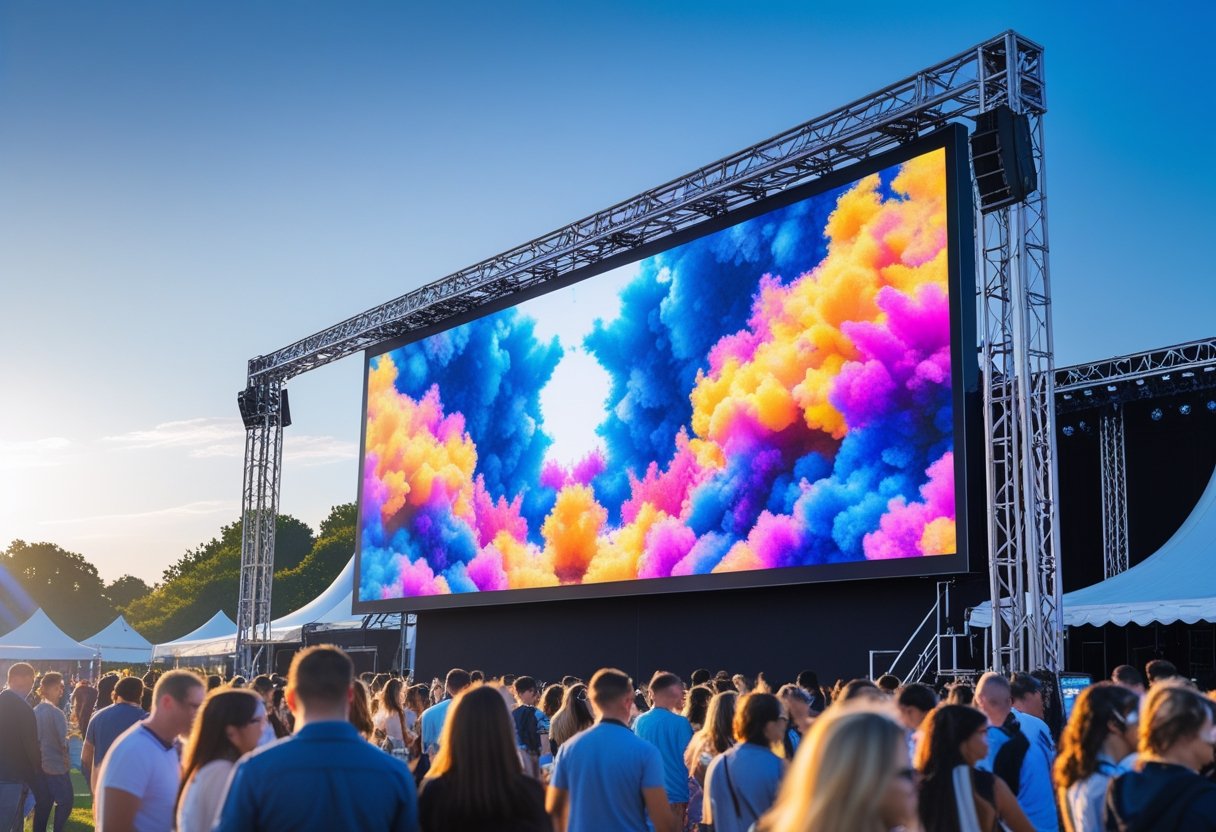
Event organisers can now pick from a wide range of display options, including digital screens for live content, durable printed backdrops, and eye-catching signage. The materials and technologies used are designed to withstand changing weather and provide clear visuals in all lighting conditions. Understanding the available choices makes it easier to find a solution that fits both the needs and budget of any outdoor event.
Key Takeaways
- Outdoor large format displays boost event visibility and engagement
- Multiple display options offer flexibility for different event needs
- Selecting the right display improves both branding and attendee experience
Key Considerations for Outdoor Large Format Displays
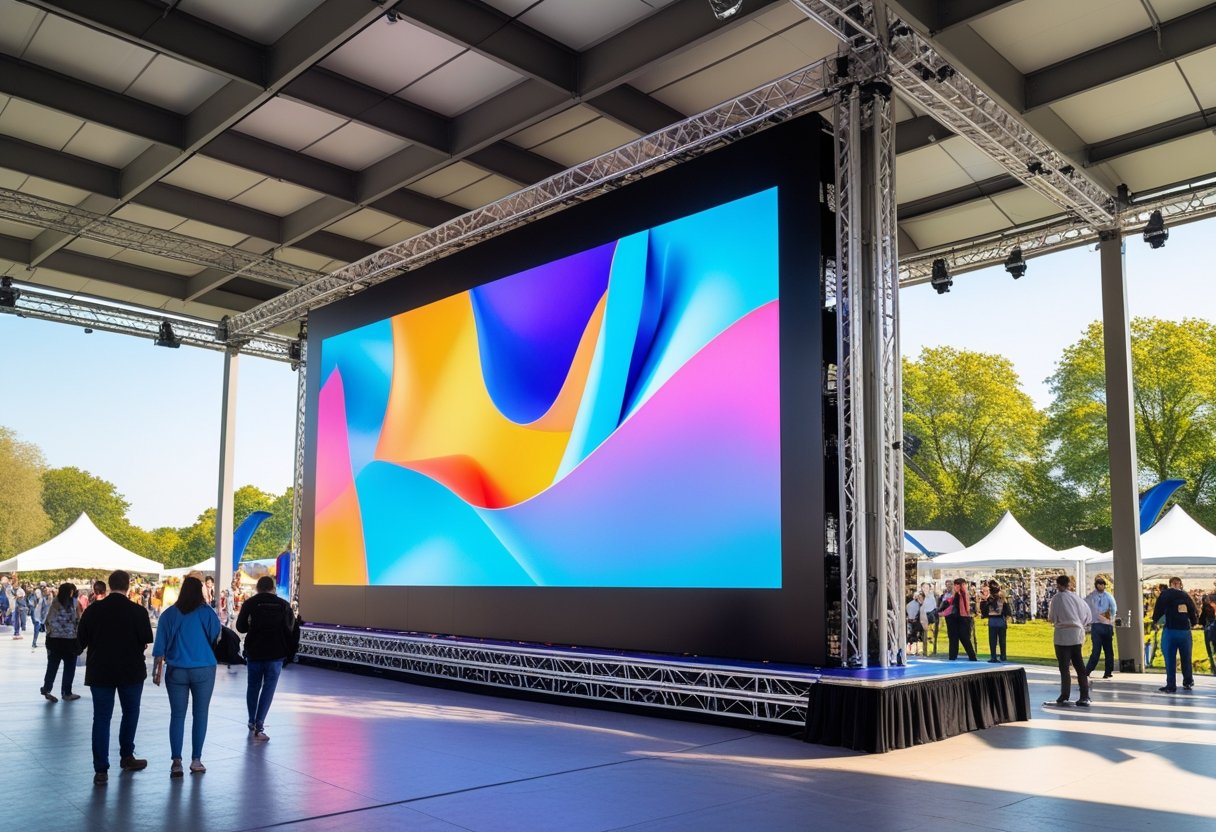
Selecting the right outdoor large format display means understanding how weather, lighting, and logistics affect long-term performance and ease of use. High-quality displays made for outdoor events must withstand their environment, stay visible in daylight, and be simple to transport and install.
Weather Resistance and Durability
Outdoor displays face rain, heat, wind, and dust. It is critical to choose screens with weatherproof housings and IP-rated enclosures. An IP65 rating or higher protects equipment from water and dust, reducing downtime and repairs.
Materials such as coated metals and tempered glass prevent rust, corrosion, and impact damage. Displays designed for outdoor events often feature sealed connections and reinforced frames. UV-resistant casings help maintain screen clarity and prevent fading.
Long-term outdoor use requires displays to function in a wide range of temperatures. High-quality models have efficient heat dissipation systems, which can include fan or liquid-cooling.
Key features to look for:
| Feature | Importance |
|---|---|
| IP65+ rating | Keeps out water and dust |
| UV protection | Prevents fading and yellowing |
| Rugged materials | Reduces breakage and mechanical damage |
| Wide temp range | Ensures year-round operation |
Brightness and Visibility in Sunlight
Direct sunlight can make screens hard to read. Outdoor large format displays need high levels of brightness, typically ranging from 3,000 to over 10,000 nits, so images and text stay clear even in full daylight.
Anti-glare coatings help reduce reflections. Automatic brightness sensors adjust screen output based on the time of day and weather, which also lowers energy use. A display that is too dim may become unreadable, but excessive brightness can waste power and shorten lifespan.
Consider screen resolution in combination with brightness. Crisp text and sharp images are essential for audiences at outdoor events who may view displays from a distance.
Checklist for visibility:
- Brightness: At least 3,000 nits for daylight viewing.
- Anti-glare surface for outdoor scenes.
- High-contrast ratios for deeper blacks and more vivid colours.
Ease of Transport and Installation
Large format displays for outdoor events must be moved and set up quickly. Modular screens are easier to transport, as they break down into smaller, lighter sections. This saves time and reduces the risk of damage.
Sturdy, yet lightweight frames help with both transport and installation. Mounting options should include secure stands or wall fixings designed for outdoor stability. Integrated cable management simplifies setup and improves safety.
Displays with quick-connect systems allow for faster assembly and breakdown. Storage solutions, like protective cases, keep units safe between events.
Transportation and installation tips:
- Select modular or lightweight designs for faster moves.
- Check for robust mounting and stand options.
- Use displays with built-in handles or wheels for mobility.
- Ensure included instructions or guides are clear and simple.
Types of Large Format Display Solutions for Outdoor Events
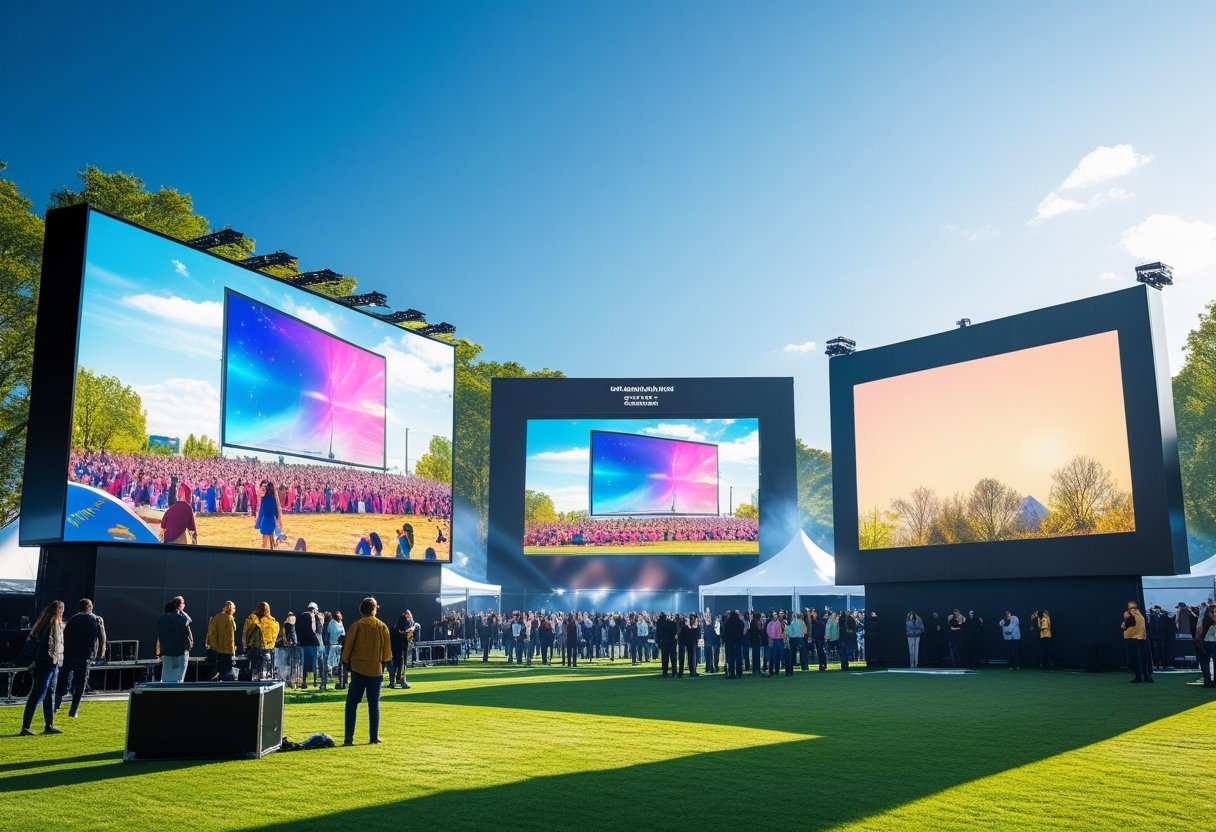
Large format displays, including banners and flags, help make events more visible and engaging. These solutions provide branding, wayfinding, and clear messaging in outdoor spaces with varying levels of durability and customisation.
Mesh Fence Banners
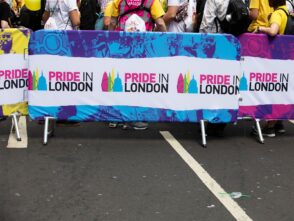
Mesh fence banners are often used to cover temporary fencing around outdoor events. The mesh design allows wind to pass through, which helps to prevent damage or movement in strong weather.
These banners are printed with vivid graphics and logos, making them highly effective for branding and sponsor recognition. Mesh banners are lightweight, easy to install, and suited for long-term use outdoors. The material’s perforated structure means images remain clear from a distance but are less likely to fade or tear because of harsh weather.
Event organisers use mesh fence banners for crowd control, marketing, or to create secure perimeters. They are available in different sizes and can be fitted around corners or special event layouts. Cleaning and reusing mesh banners is also straightforward, adding to cost efficiency over multiple events.
Outdoor Banners and Stands
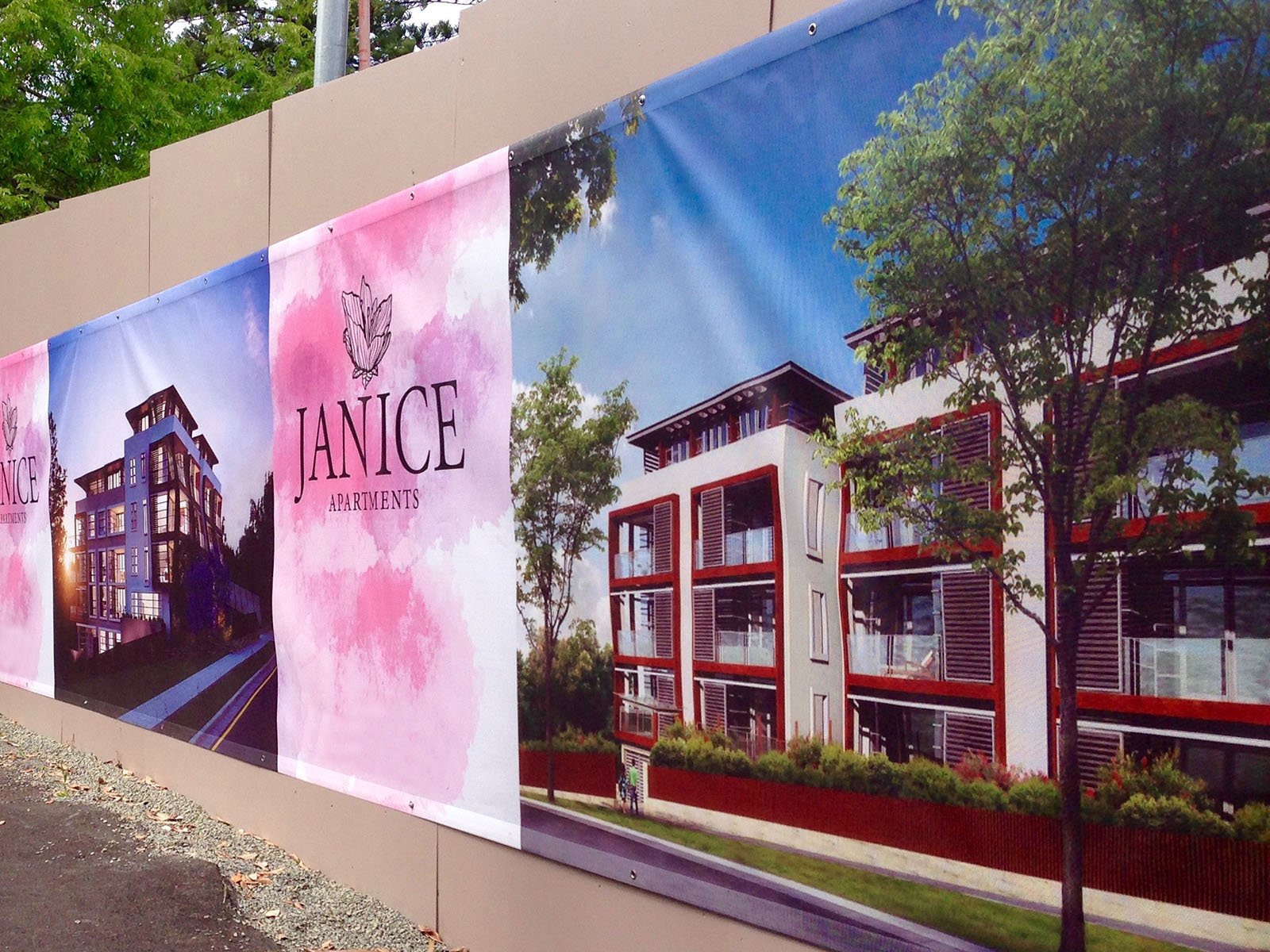
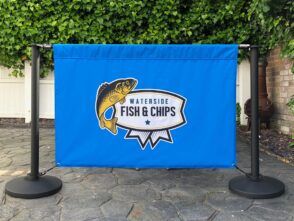
Outdoor banners and stands are a common sight at festivals, fairs, and sporting events. These banners are typically made from heavy-duty vinyl or weatherproof fabric. They withstand rain, wind, and sun, ensuring messages stay visible for the full event duration.
Outdoor banners can be mounted on stands, attached to fences, or suspended between posts or trusses. Stands are usually portable and can be adjusted in height or width, which makes them suitable for many event layouts. Banners may be double-sided for greater visibility or printed in wide formats for large crowd areas.
Custom printing allows organisers to use high-resolution photos, bold colours, and clear text. Some designs incorporate eyelets, hemmed edges, or reinforced corners for extra durability. This versatility makes outdoor banners and stands a mainstay in event advertising and digital signage displays.
Flags for Event Branding
Flags add movement and colour to event sites and are often used to highlight entrances, stages, and feature areas. There are several styles, like feather flags, teardrop flags, and traditional rectangular flags, each providing a unique look.
Flags are typically printed on durable polyester or nylon and can be fitted with ground spikes, weighted bases, or mounted on walls and poles. Their height and shape make them visible above crowds, which is useful for wayfinding and branding across large outdoor spaces.
Digital signage on flags can include event logos, sponsor messages, or uniform colours for consistent branding. Flags are quick to set up and take down, and their lightweight nature allows for easy transport and storage between events. Regular maintenance, such as cleaning and checking for frayed edges, will extend flag lifespans and ensure they continue to make a strong visual impression.
Enhancing Outdoor Events with Display Accessories
Display accessories play an important role in making outdoor events both practical and eye-catching. Details like printed marquees and sturdy support structures help keep displays visible, safe, and effective even in challenging weather.
Outdoor Tents and Marquees for Branding
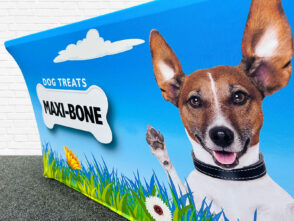
Outdoor tents and marquees provide sheltered space and strong branding visibility for events such as fairs, sporting meets, and festivals. These structures often feature custom-printed graphics across panels, roofs, and valances, allowing organisers to add logos, slogans, or event information.
Many tents are made from waterproof, UV-resistant materials, so they maintain a professional appearance even in wet or sunny conditions. High-quality marquees come with features such as reinforced frames, zippered walls, and optional side panels for added privacy or weather protection.
Key benefits of branded tents:
- Bold, visible graphics for immediate brand recognition
- Easy assembly and quick setup for fast-paced events
- Shelter for staff, products, or activities
Pop-up gazebos and pagodas are especially popular because they balance portable design with solid construction. Marquees can also be connected in modular setups to suit larger events.
Support Structures and Weighted Bases
Support structures, such as banner stands, flagpoles, and sign holders, form the backbone of outdoor displays. Their stability is critical to withstand wind and uneven ground, making them reliable in most outdoor locations.
Weighted bases—such as sandbags, water weights, or metal plates—are commonly used to secure freestanding displays like flags and banners. These bases prevent tipping and keep messages upright even in breezy weather. Quick-release clips and adjustable connectors add flexibility and allow fast changes between different display formats.
Advantages of robust support systems:
- Reduce risk of damage or accidents in busy environments
- Adaptable for positioning on hard, soft, or sloped surfaces
Proper support and weighting enable organisers to present clear, professional graphics throughout their event, ensuring that branding remains visible and secure in all conditions.
Applications and Use Cases at Outdoor Events
Large format displays and digital signage have become essential for outdoor events. They help organisers manage crowds, deliver important information, and keep guests engaged with live updates and event content.
Live Event Streaming and Audience Engagement
Live streaming on digital displays allows people across an event site to see performances or presentations, even if they are far from the main stage. This is valuable at festivals, concerts, sports matches, and public gatherings. It ensures that everyone, including those at the back or in busy zones, can view the main attractions in real time.
Large format LED screens are often used because they remain visible even in direct sunlight and bad weather. Organisers use these displays for more than just showing live video. They show sponsor logos, adverts, highlight reels, and crucial schedule changes.
Benefits include:
- Increased exposure for event sponsors
- Improved accessibility for all guests
- Real-time sharing of live scores or results
By using interactive elements, such as social media feeds or live polling, digital signage can also encourage viewers to participate. This keeps the audience interested and involved throughout the event.
Directional Signage and Information Points
Outdoor events often cover large areas, which can make navigation difficult for attendees. Large digital signs can serve as clear, dynamic guides. They show site maps, directions to facilities, and emergency exit routes.
Digital signage can quickly change to reflect schedule updates, queue times, or cancellations. This helps guests make informed choices and reduces crowding at busy spots. For example, a screen at a festival might show which food stalls have shorter queues or where the next performance will start.
Common uses for display signage:
- Entry and exit location markers
- Real-time maps with highlighted routes
- Emergency notices and weather updates
This level of flexibility makes large format displays and digital signage a practical choice for outdoor event planners hoping to improve visitor safety, comfort, and event flow.
Selecting the Ideal Solution for Your Outdoor Event
Choosing the best large format display for an outdoor event involves matching the display to the event’s space and needs, as well as fitting within a set budget. Details such as weather conditions, viewing distance, transport, and installation all play a role.
Assessing Venue Requirements
First, consider the event location and available space. Event organisers should note whether the venue is a spacious field, a car park, or a city centre. Outdoor displays must cope with wind, sun, and rain, so choosing weather-resistant materials is key.
Key venue questions:
- Is the ground level or uneven?
- How much space is available for the display?
- Are there power sources nearby?
For wide open spaces, large outdoor banners or modular LED screens increase visibility. Tents and gazebos may be needed for additional shelter. For venues where space is limited, compact portable displays work best. Check if your display size fits local rules and safety regulations.
Budgeting and Sourcing Providers
Setting a clear budget helps narrow choices. Costs vary based on display type, size, installation, and transport. Outdoor LED screens and large banners are priced by size and pixel quality, while tents and printed canopies often depend on custom features.
Typical cost factors:
- Material quality (e.g., weatherproof PVC, heavy fabrics)
- Rental versus purchase
- Installation fees and delivery
- Custom printing or branding
To find reliable suppliers, review their past event work, ask about turnaround times, and enquire about after-sales support. Comparing at least three providers gives a better sense of value and professionalism.
Choosing a mix—like an outdoor display paired with an event tent—can boost both visibility and attendee experience without going over budget.
Frequently Asked Questions
Outdoor display solutions face challenges such as harsh weather, durability, and the need for flexible designs. Event organisers have many options for display materials, installation methods, and customisation to ensure displays are effective and long-lasting outside.
How can outdoor display solutions withstand extreme weather conditions?
Many outdoor displays use weather-resistant materials and coatings that protect against rain, strong winds, and sunlight. Reinforced frames or weighted bases help prevent tipping or damage. Some displays, such as LED screens, are made with waterproof casings and components that shield electronics from moisture and dust.
What options are available for weather-resistant outdoor banners?
Event organisers can choose banners made from PVC, mesh, or vinyl, as these are popular for being waterproof and resistant to UV rays. Mesh banners also allow wind to pass through, reducing the risk of tearing. Specialised eyelets and reinforced edges add extra strength for windy sites.
Which are the most durable materials for outdoor event display stands?
Dibond (aluminium composite), Foamex, and coated steel are some of the most durable materials for outdoor use. These are sturdy, rust-resistant, and can hold up well during long-term or repeated use. For temporary events, Correx (fluted polypropylene) is lightweight and suitable for short periods.
What are the best practices for setting up large format displays at outdoor events?
Displays should be anchored securely using weights, pegs, or tie-downs to prevent movement or falling over. Site checks before setup help identify wind patterns and uneven ground. It is important to assemble displays according to instructions and regularly inspect them for signs of wear during the event.
Can outdoor advertising banners be customised for specific event needs?
Banners can be customised by size, shape, colour, and printed message to match a specific event theme or branding. Some companies offer cut-outs, double-sided printing, or interactive elements. Quick turnaround is available for last-minute changes with digital printing.
What are the latest trends in outdoor exhibition display solutions?
Digital large format displays, such as LED screens, are becoming more common due to their brightness and ability to show dynamic content. Eco-friendly materials and reusable display systems are also growing in popularity as event organisers seek sustainable options that reduce waste after an event.





Leave a Reply
You must be logged in to post a comment.