


Scaffold banners are widely used across construction sites, refurbishment projects and property developments because they transform scaffolding into a highly visible advertising and communication space. The right combination of banner material, fixing method, and print finish can make the difference between a banner that lasts for months outdoors and one that fails quickly in harsh weather.
Choosing the correct scaffold banners depends on several important factors:
- Wind exposure
- Installation method
- Project duration
- Print visibility requirements
- Banner size and positioning
Some scaffold banners are designed for maximum print impact and branding, while others prioritise airflow and reduced wind loading for exposed outdoor environments. This guide explains the key differences between scaffold banner materials, fixing methods and print options so you can choose the best solution for your project. :contentReference[oaicite:0]{index=0}
Choosing the Best Material for Scaffold Banners
Material choice is one of the most important decisions when ordering scaffold banners because different materials behave very differently outdoors.
PVC Scaffold Banners
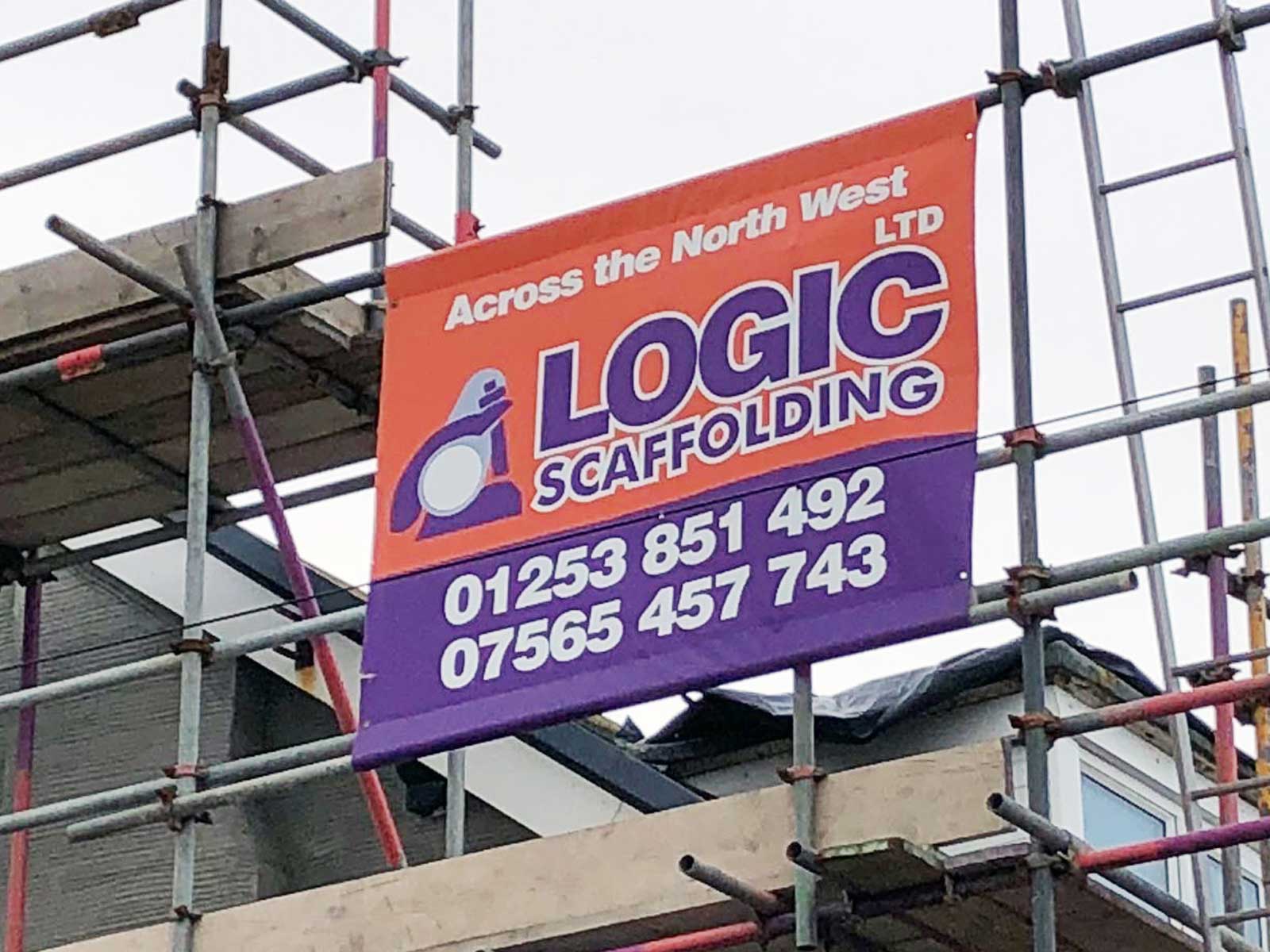
PVC scaffold banners are the most common option for construction site branding, outdoor advertising and large promotional graphics.
The solid PVC surface produces bold colours, sharp graphics and excellent print quality, making it ideal for:
- Contractor branding
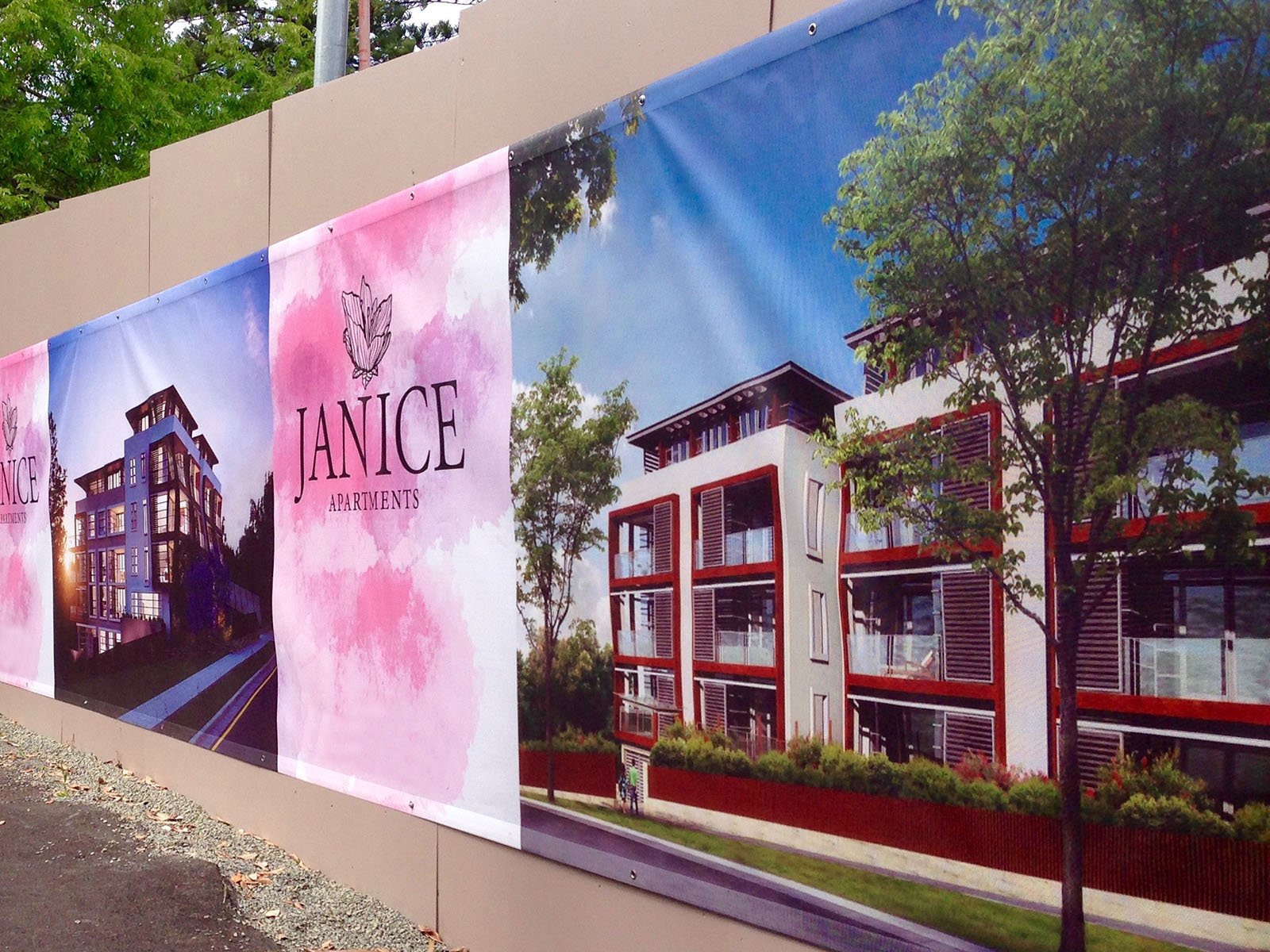
- Property development advertising
- Building refurbishment projects
- Public-facing construction sites
- Fence and perimeter graphics
PVC banners are available in different material weights depending on how long the banner will remain outdoors.
| PVC Grade | Typical Use |
|---|---|
| 440gsm | Short-term outdoor promotions |
| 510gsm | Medium-term construction projects |
| 610gsm | Heavy-duty long-term installations |
Because PVC banners are solid, they provide excellent visual impact but can catch more wind in exposed locations.
Mesh Scaffold Banners
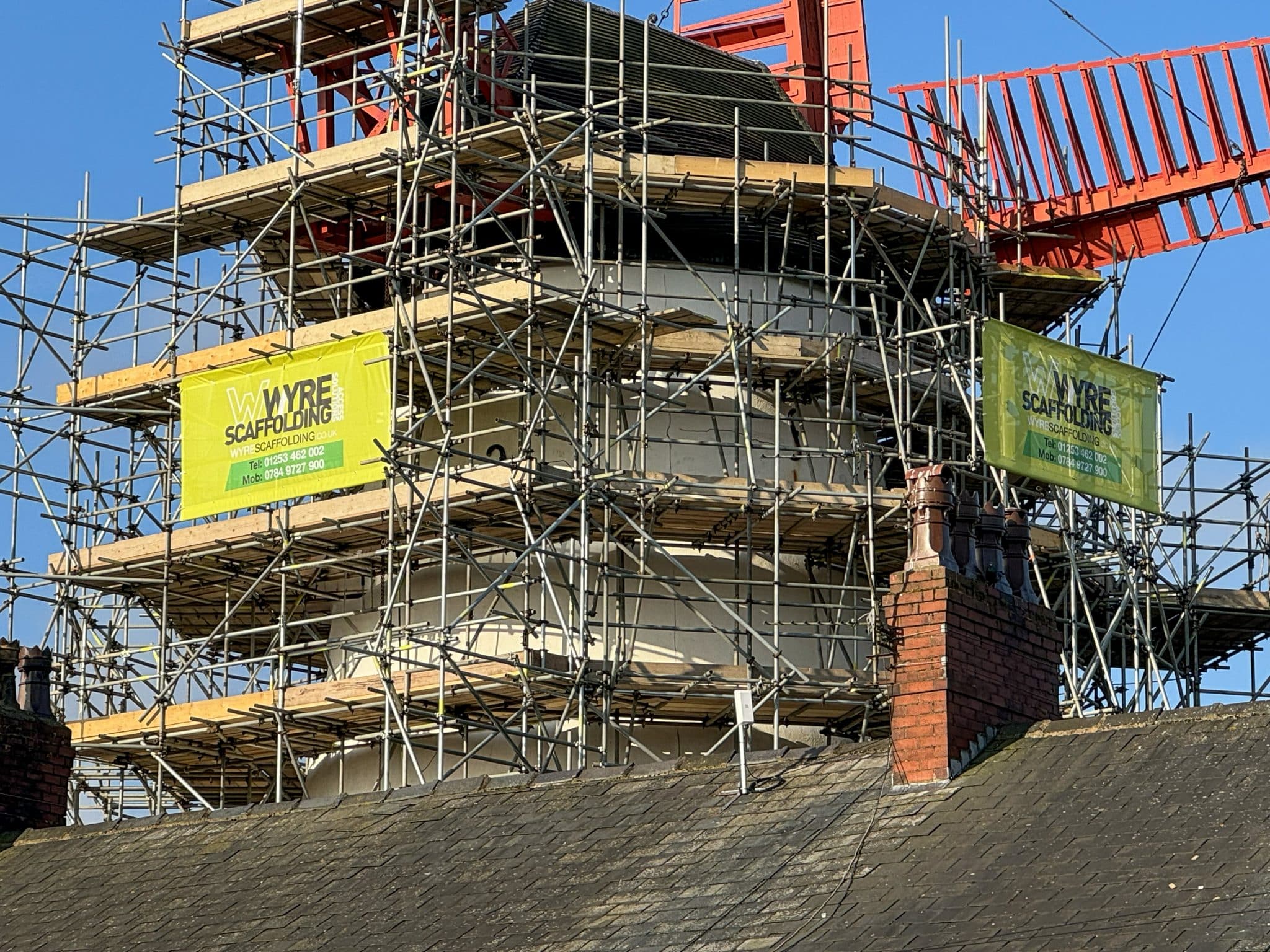
Mesh scaffold banners are designed for windy or exposed environments where airflow is important.
The perforated material allows air to pass through the banner surface, reducing wind resistance and lowering stress on the scaffold structure and fixing points.
Mesh scaffold banners are commonly used for:
- High-rise scaffolding
- Exposed outdoor construction sites
- Large perimeter graphics
- Fence branding
- Building wraps
- Outdoor event structures
Although the print appears slightly softer close up compared with solid PVC, mesh banners still provide excellent visibility from normal outdoor viewing distances.
For highly exposed projects, PVC AirMesh banners offer even greater airflow using larger perforations.
Double-Sided Scaffold Banners
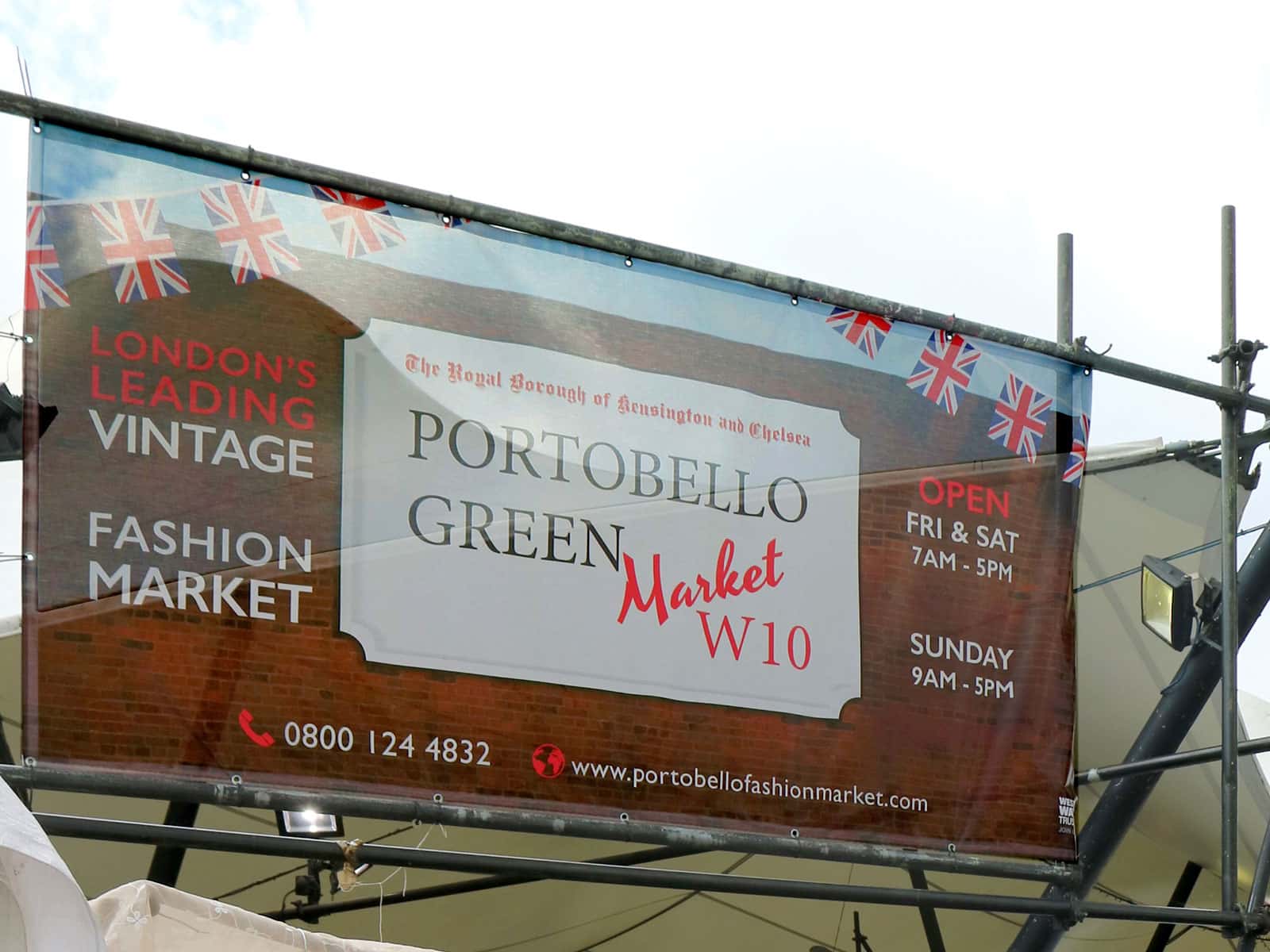
Double-sided scaffold banners are used where visibility is needed from both directions.
These banners use heavyweight blockout PVC material that prevents graphics from showing through from the reverse side, allowing completely different artwork to be printed on each face.
Double-sided scaffold banners are particularly effective for:
- Roadside scaffolding
- High street developments
- City centre projects
- Pedestrian walkways
- Temporary event structures
- Dual-direction advertising
The heavyweight material also provides excellent durability and weather resistance for longer-term outdoor use.
Weather Resistance and Outdoor Durability
Scaffold banners are exposed to wind, rain, UV light and changing temperatures for extended periods, so durability is essential.
High-quality outdoor scaffold banners use:
- UV-resistant inks
- Weatherproof PVC materials
- Reinforced hems
- Heavy-duty eyelets
- Strong welds and stitching
Mesh banners generally perform better in windy conditions because they reduce wind loading. Premium PVC banners offer higher print quality and excellent long-term durability in areas with lower wind exposure.
Scaffold Banner Fixing Methods
The fixing method is just as important as the banner material itself. Poor installation can shorten banner lifespan and increase the risk of tearing or movement in windy conditions.
Hem and Eyelets
Hemmed edges with metal eyelets are among the most common fastening methods for scaffold banners.
Eyelets allow banners to be secured using:
- Cable ties
- Ropes
- Bungee cords
- Elastic fixing systems
Reinforced hems help distribute tension more evenly across the banner and improve durability.
Pole Pockets
Pole pockets are especially popular for scaffold structures because they allow scaffold poles to slide through the banner.
This creates a cleaner, tighter installation while reducing movement in windy conditions.
Pole pockets are commonly used for:
- Scaffold bay banners
- Large perimeter graphics
- Construction branding
- Building wraps
Reinforced Pole Pockets
For larger scaffold banners, reinforced welds and stitching help improve durability around high-tension areas.
This is particularly important for banners installed on exposed sites or used over extended periods.
Printing Options for Scaffold Banners
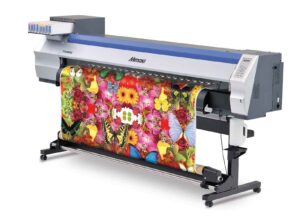
Modern scaffold banners are produced using large-format digital printing systems that deliver sharp graphics and durable outdoor prints.
UV and Latex Printing
UV and latex inks offer excellent weather resistance and long-term colour stability. These print systems help prevent fading and maintain vibrant colours during prolonged outdoor exposure.
Single-Sided Printing
Most scaffold banners are printed single sided, especially mesh materials used for perimeter graphics and construction branding.
Double-Sided Printing
Double-sided PVC banners allow graphics to be displayed on both faces, improving visibility in areas where the banner will be viewed from multiple directions.
Scaffold Banner Design Considerations
Scaffold banners are usually viewed from a distance, so designs should remain simple, bold and easy to read.
Good scaffold banner design usually includes:
- Large logos
- Short headlines
- High-contrast colours
- Simple messaging
- Minimal text
- Clear contact details
For roadside or public-facing construction sites, readability is often more important than detailed information.
Our banner sizing and placement guide explains how viewing distance affects banner readability.
Scaffold Banner Sizes
Most scaffold banners are produced in custom sizes to suit the scaffold structure and available installation space.
Common scaffold banner sizes include:
- 2m x 1m
- 3m x 1m
- 4m x 1m
- Scaffold bay widths
- Large building wraps
Larger scaffold wraps can also be produced for full building elevations and perimeter branding projects.
Scaffold Banners for Safety and Public Information
Scaffold banners are not only used for advertising. Many construction sites also use banners to communicate important safety and site information.
This may include:
- Health and safety messaging
- PPE requirements
- Restricted access notices
- Public safety warnings
- Contractor information
- Directional signage
Large scaffold graphics help improve public awareness while making construction sites appear more organised and professional.
How to Choose the Right Scaffold Banner
As a general guide:
- Choose PVC for maximum visual impact and strong print quality
- Choose mesh for exposed or windy locations
- Choose double-sided banners where visibility is needed from both directions
- Choose reinforced pole pockets for larger or high-tension installations
The best scaffold banner is the one most suited to the installation environment, wind exposure and viewing requirements of the project.
Need Help Choosing Scaffold Banner Materials or Fixings?
If you are unsure which scaffold banner material or fixing method is best for your project, our team can help recommend the most suitable option based on your site conditions and installation requirements.
Explore our full range of scaffold banners, including PVC, mesh and double-sided solutions designed for construction sites, building refurbishments and large-scale outdoor branding.








Leave a Reply
You must be logged in to post a comment.