


What is Dibond Printing?
Dibond printing is one of the most durable and professional ways to produce long-lasting signage and display panels. Used widely across retail, construction, exhibitions and fine art, Dibond combines aluminium composite strength with high-resolution UV printing to create rigid, weather-resistant signs that maintain colour and structural integrity for years.
If you’re researching Dibond for a project, this guide explains:
-
What Dibond is made from
-
Why it’s ideal for printing
-
How it compares to other sign materials
-
Expected lifespan indoors and outdoors
-
Thickness and finish options
-
Typical costs in the UK
-
When Dibond is the right choice
What Is Dibond?
Dibond is a type of aluminium composite material (ACM). It is manufactured using:
-
Two thin aluminium sheets
-
A solid polyethylene core
These three layers are bonded together in a “sandwich” structure. The result is a panel that is:
-
Lightweight
-
Extremely rigid
-
Resistant to warping
-
Smooth and flat
-
Suitable for direct printing
This structure gives Dibond a major advantage over solid plastics and other rigid boards. It delivers strength without excessive weight, making it suitable for both small signage and large-format panels.
Although “Dibond” is technically a brand name, the term is commonly used in the UK to describe aluminium composite boards used for signage and display.
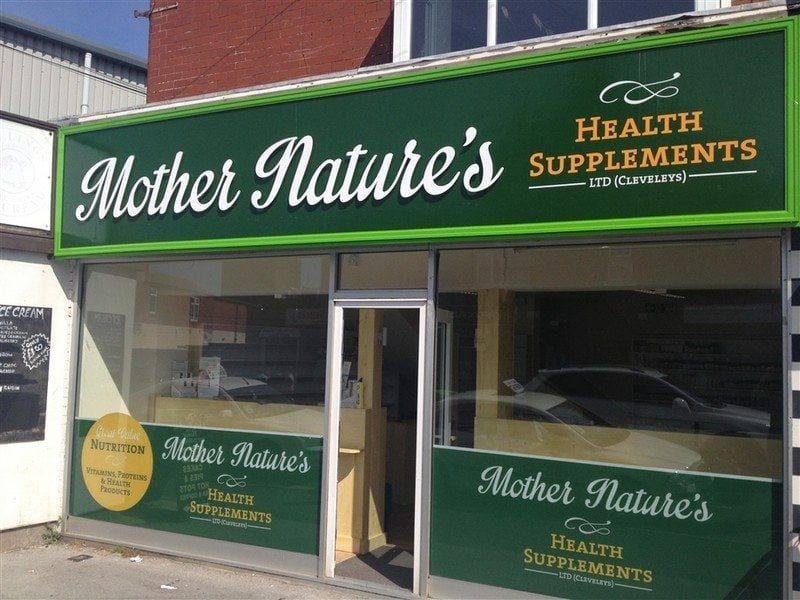
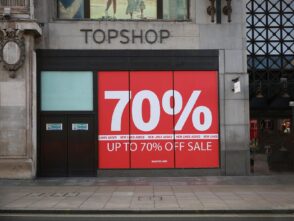
A Dibond Printed fascia sign for a retail business
Why Is Dibond Ideal for Printing?
Dibond printing works particularly well because of the material’s surface stability and strength.
1. Perfectly Flat Print Surface
The aluminium faces provide a smooth, consistent surface that allows:
-
Sharp text reproduction
-
Crisp fine detail
-
Even colour coverage
-
Accurate brand colour matching
Unlike foam boards or corrugated plastic, Dibond does not flex during printing, which helps maintain consistent quality across large panels.
2. Compatible with UV Direct Printing
Modern UV flatbed printers print directly onto the aluminium surface and instantly cure the ink with ultraviolet light.
This process:
-
Prevents ink absorption into the substrate
-
Produces vibrant, durable colour
-
Creates a scratch-resistant surface
-
Improves outdoor longevity
UV printing is a key reason Dibond signs are suitable for long-term external use.
3. Strong Outdoor Performance
Because Dibond combines corrosion-resistant aluminium with waterproof polyethylene, it performs extremely well in British weather conditions.
It resists:
-
Rain
-
UV exposure
-
Wind
-
Temperature changes
-
Humidity
This makes it a preferred material for exterior signage, site boards and wayfinding systems.
Dibond vs Other Sign Materials
When choosing a rigid sign material, Dibond is often compared with acrylic, PVC foam and corrugated plastic. Each has its place, but performance differs significantly.
Dibond vs Acrylic
Acrylic (often known as Perspex) is a solid plastic sheet commonly used for interior displays.
Acrylic advantages:
-
Glossy appearance
-
Premium aesthetic
-
Suitable for illuminated signs
Acrylic disadvantages:
-
Can yellow over time with UV exposure
-
More brittle than Dibond
-
More expensive
-
Less impact-resistant
Dibond is generally better for long-term outdoor signage, while acrylic suits interior decorative applications.
Dibond vs PVC Foam Board
PVC foam board (often branded as Foamex) is lightweight and affordable.
PVC advantages:
-
Lower cost
-
Very lightweight
-
Easy to cut
PVC disadvantages:
-
Less rigid
-
Can warp in heat
-
Shorter outdoor lifespan
Dibond offers significantly greater durability and stability, particularly for medium- to long-term installations.
Dibond vs Corrugated Plastic (Correx)
Corrugated plastic is commonly used for temporary signage.
Correx advantages:
-
Very inexpensive
-
Extremely lightweight
-
Suitable for short campaigns
Correx disadvantages:
-
Not rigid
-
Short lifespan
-
Lower-end appearance
For professional signage or projects lasting more than a few months, Dibond is typically the superior choice.
How Long Does Dibond Last Outdoors?
One of the most common questions about Dibond printing is lifespan.
In typical UK outdoor conditions, printed Dibond signs can last:
-
5–10 years outdoors
-
Significantly longer indoors
Factors that affect longevity include:
-
UV exposure
-
Coastal conditions
-
Installation method
-
Lamination or protective coating
-
Mechanical stress
When paired with high-quality UV printing and optional lamination, Dibond provides one of the longest service lives among rigid sign materials.
What Thickness of Dibond Should You Choose?
Dibond is commonly available in different thicknesses. The most widely used are:
3mm Dibond
-
Standard choice
-
Suitable for most signage
-
Ideal for wall-mounted and site boards
6mm Dibond
-
Increased rigidity
-
Better for larger panels
-
Recommended for exposed locations
As a general rule:
-
Smaller signs → 3mm
-
Large panels or high wind areas → 6mm
The correct thickness depends on panel size and installation method.
Common Uses for Dibond Printing
Dibond printing is used across multiple industries because of its versatility.
Retail Signage
-
Storefront signs
-
Window display boards
-
Point-of-sale displays
Construction & Site Boards
-
Development signage
-
Health and safety boards
-
Contractor branding
Wayfinding & Directional Signs
-
Car parks
-
Business parks
-
Campuses
-
Public buildings
Exhibitions & Events
-
Trade show panels
-
Branded backdrops
-
Freestanding displays
Fine Art & Photography
-
Mounted photographic prints
-
Gallery installations
-
Brushed aluminium art prints
Because of its flat surface and stability, Dibond is particularly valued in professional photography and exhibition environments.
Is Dibond Waterproof?
Yes.
Dibond’s polyethylene core is waterproof, and the aluminium skins resist corrosion. When printed with UV-cured inks, the surface becomes highly resistant to moisture and weather.
However, correct installation remains important. Proper fixings prevent water ingress behind panels and ensure long-term structural stability.
How Much Does Dibond Printing Cost in the UK?
Costs vary depending on:
-
Size
-
Thickness
-
Finish
-
Quantity
-
Cutting and shaping requirements
As a rough guide:
-
Dibond typically costs more than PVC foam board
-
It costs less than many premium acrylic solutions
-
It offers better long-term value due to durability
When lifespan is considered, Dibond often delivers lower cost per year of service compared with cheaper short-term alternatives.
For up-to-date pricing, you can view custom sizes and instant pricing here:
👉 Custom Dibond printing in the UK
(Insert internal link to product page.)
Finish Options for Dibond Printing
Different finishes affect both appearance and durability.
Matte Finish
-
Non-reflective
-
Ideal for text-heavy signs
-
Reduces glare
Gloss Finish
-
Enhanced colour vibrancy
-
Stronger visual impact
-
Slightly more reflective
Brushed Aluminium
-
Metallic effect
-
Premium aesthetic
-
Popular for fine art
Anti-Graffiti Coating
-
Suitable for public areas
-
Easier cleaning
-
Added protection
Lamination can increase scratch resistance and improve UV stability in high-exposure environments.
How Is Dibond Printed?
Dibond printing is typically completed using UV flatbed printers.
The process involves:
-
Preparing artwork files
-
Printing directly onto the aluminium surface
-
Instant curing using UV light
-
Optional lamination
-
Precision cutting and finishing
Because the ink is cured instantly, production is efficient and colours remain stable.
Is Dibond Environmentally Friendly?
Dibond panels can be recycled. The aluminium layers and polyethylene core can be separated and reprocessed in specialist recycling facilities.
Aluminium itself is highly recyclable and retains material value, making Dibond more sustainable than some single-use plastic signage materials.
When Should You Choose Dibond?
Dibond is ideal when you need:
-
Long-term outdoor durability
-
Professional appearance
-
Structural rigidity
-
Large panel stability
-
Clean, flat print surfaces
-
Premium signage
If your project is short-term or purely temporary, cheaper substrates may suffice. But for signage intended to last several years, Dibond is one of the most reliable options available.
Where to Order Dibond Printing in the UK
When selecting a supplier, look for:
-
Modern UV flatbed printing
-
Accurate colour management
-
Custom cutting capabilities
-
Fast turnaround
-
Clear pricing
If you’re ready to configure sizes, finishes and options online, you can view our full Dibond printing service here.
Final Thoughts
Dibond printing combines aluminium composite strength with high-resolution UV printing to produce rigid, weather-resistant signage suitable for both commercial and artistic applications.
Its durability, flat surface and long lifespan make it one of the most trusted materials in the signage industry.
By understanding its structure, thickness options, cost considerations and performance characteristics, you can confidently decide whether Dibond is the right material for your next project.







Leave a Reply
You must be logged in to post a comment.