


Scaffold banners are printed displays designed specifically for use on construction sites and building projects. These banners typically feature pole pocket sleeves at the top and bottom, which allow them to slide onto poles attached to scaffolding structures. They can also be finished with hems and eyelets, particularly for larger installations where extra support is needed.
Construction companies and property developers use these banners to display company branding, advertise upcoming developments, or communicate important safety information to workers and the public. The banners come in various materials and sizes to suit different project requirements. Options include reinforced hems for very large installations, which add an extra layer of material around the edges to improve strength and help the banner withstand outdoor conditions for longer periods.
Key Takeaways
- Scaffold banners are printed displays that attach to scaffolding using pole pockets or eyelets for easy installation
- These banners serve multiple purposes including company branding, project advertising, and displaying safety information on construction sites
- Different finishing options and reinforcement levels are available depending on the banner size and intended duration of use


Why Are Scaffold Banners Necessary?
Scaffold banners provide an excellent chance to promote construction firms and property developers. Building companies display their branding whilst developments take place, turning worksite structures into valuable marketing space. These advertising banners offer a cost-effective solution that can be reused across multiple projects. Scaffolding banners last for extended periods, making them a practical investment for businesses seeking consistent brand visibility.
Which Is the Best Type of Scaffolding Banner?
The ideal banner type depends on the size and location of the installation. Large banners benefit from mesh materials due to their ability to reduce wind resistance.
Mesh fabric allows air to pass through the surface. This makes it the safer choice for expansive displays that face strong winds or exposed positions.
Smaller banners measuring between 2-4 square metres work well with solid materials. Single-sided premium PVC offers a cost-effective solution for these compact installations. Block out banner material provides additional strength and versatility. It can be produced as either single-sided or double-sided depending on the visibility requirements. Block out material delivers the highest durability among solid banner options.
Material selection guide:
- Mesh banners – Large installations, windy locations, reduced structural load
- Premium PVC – Small to medium banners, sheltered positions, single-sided displays
- Block out material – Maximum strength, single or double-sided options, enhanced longevity
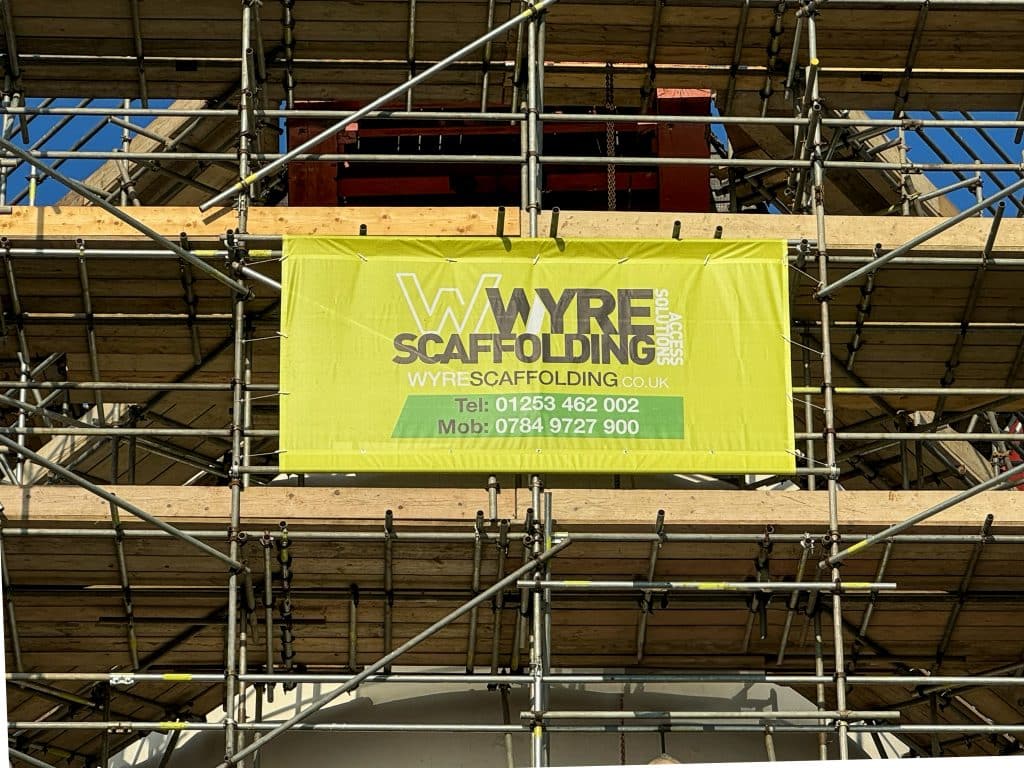
Double-Sided Scaffold Banners
Double sided scaffold banners provide excellent branding opportunities by displaying company information on both faces of the material. These banners feature block-out material that prevents light from passing through, ensuring that graphics remain vibrant and clearly visible from either direction.
The construction utilises 650gsm banner material, which delivers exceptional durability and strong resistance to tearing. This robust specification makes them suitable for extended outdoor use on construction sites.
Two fixing options are available for these banners:
- Pole pockets for sliding directly onto scaffolding tubes
- Hem and eyelets for alternative mounting methods
Manufacturers recommend keeping double-sided banner dimensions below 5 square metres. Larger installations benefit from mesh material instead, as it withstands windy conditions and harsh weather more effectively. The wind resistance properties of mesh reduce the risk of damage during storms or prolonged exposure to the elements.
Heavy-Duty Scaffold Banners
These banners match double-sided versions in construction quality and materials. The key distinction lies in printing application, as they feature graphics on one side only whilst the opposite face remains plain white.
Mesh Scaffold Banner Printing
Mesh scaffold banners work well for large-scale outdoor displays and building wraps. The material features thousands of small perforations across its surface. These tiny holes allow wind to pass through rather than pushing against a solid surface.
This design reduces wind pressure on the banner significantly. When wind flows through the material, it creates less force and stress on the structure. This makes mesh banners more durable in harsh weather conditions.
Benefits of mesh material include:
- Reduced wind loading on larger displays
- Better resistance to damage from strong gusts
- Suitable for extended outdoor use
- Ideal for construction sites and tall buildings
Larger banners particularly benefit from mesh construction. Standard solid materials can tear or pull away when wind hits them directly. Mesh banners handle these conditions more effectively because air moves through the material instead of creating pressure against it.
For projects requiring maximum airflow, air mesh material offers enhanced wind flow capabilities. This specialist material performs exceptionally well in areas with frequent high winds or storms.
PVC Single-Sided Scaffolding Banners
These banners represent an economical choice for construction site advertising. The material provides reliable durability whilst remaining budget-friendly, making them suitable for smaller to mid-range installations.
Businesses can choose between two finishing options:
- Hem with eyelets for flexible mounting
- Pole pockets for scaffold tube installation
The affordable pricing makes bulk purchases practical. Companies often acquire multiple units to maintain consistent branding across various job sites. These banners can remain in place throughout extended project timelines without significant financial concern.
The low cost per unit delivers strong return on investment for promotional purposes. Site managers frequently use them to display company information, contact details, or safety messages on scaffolding structures.
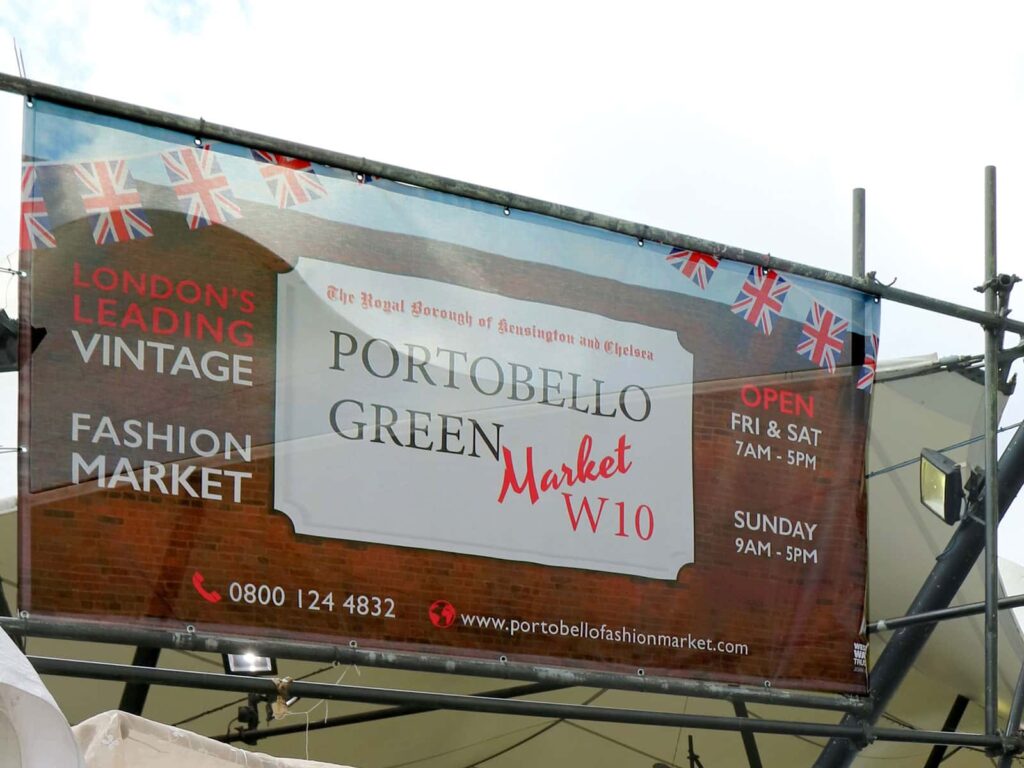
What Are Reinforced Pole Pockets on Scaffold Banners?
Reinforced pole pockets allow scaffold banners to thread onto scaffold tubes for secure attachment to scaffolding structures. These pockets receive high-frequency welding during the manufacturing process to create strong, durable seams.
The reinforcement process involves two key steps. First, manufacturers apply high-frequency welding to join the banner material and form the pocket. Then, they add overstitching along the welded seams.
This overstitching provides additional strength to the pole pockets. It prevents tearing at the edges where the welded seam meets the banner material. The combination of welding and stitching creates a robust pocket that withstands outdoor conditions and wind stress.
What is a Reinforced Hem on a Scaffolding Banner?
A reinforced hem adds extra strength to scaffold banners through an additional layer of material. This finishing method starts with a standard hem, then attaches a strip of reinforcement webbing or tape to the banner’s reverse side.
The reinforcement creates a hem that is three times stronger than traditional hemming alone. This added durability proves particularly valuable for large mesh scaffold banners that face harsh outdoor conditions and strong winds.
Key benefits of reinforced hems:
- Enhanced durability for long-term outdoor use
- Reduced risk of tearing at attachment points
- Better performance on larger banner installations
- Extended lifespan for scaffold signage
Manufacturers typically recommend this reinforced option for banners exceeding 32 square feet or those installed on tall scaffolding structures.
How to Make Scaffold Banners Last Longer
Proper care and installation significantly extend the life of scaffolding banners. The most important step is ensuring banners are fitted tightly to the structure. Loose installations allow excessive movement, which creates friction against poles and surrounding surfaces.
When banners move in windy conditions, they rub against the poles inside their pockets. This constant friction wears down the material over time. Wind resistance becomes a major factor when banners are not secured properly, as flapping indicates the material is under stress.
Key maintenance practices include:
- Securing all edges and corners to eliminate movement
- Positioning banners lower on the structure where wind exposure is reduced
- Regular cleaning with a damp cloth to remove accumulated dirt
- Checking tension regularly and adjusting as needed
Lower placement offers dual benefits. It reduces exposure to harsh weather conditions whilst improving visibility for people at street level. Regular cleaning prevents grime from degrading the material over time. Eliminating movement through proper tensioning protects against the primary cause of premature wear and damage.
How to Design a Scaffold Banner?
Creating an effective scaffold banner requires a straightforward approach. Designers should focus on bold, simple layouts that remain visible from far away. Cluttered designs with too many small elements fail to communicate clearly when viewed from street level.
The most successful banners display essential information only. A company name and telephone number work best as the primary content. Additional details like website addresses can be included if they are short and easy to read. Lengthy web addresses should be removed to maintain clarity.
Designers must remember that these banners are viewed from a distance. Text needs to be large enough to read from across the street. Bold colours and high-contrast combinations help messages stand out against busy backgrounds.
UV inks provide durability for outdoor printing. These inks resist fading from sun exposure and weather conditions. Many printing companies use UV-resistant materials to ensure banners maintain their appearance throughout construction projects.
Accreditation logos and detailed graphics often reduce impact. Simpler designs with fewer elements communicate more effectively on scaffolding displays.











Leave a Reply
You must be logged in to post a comment.